



323272
FitzRoy Storm Barometer - Teardrop Storm Glass - BAG1
PRODUCT DESCRIPTION
FitzRoy Storm Barometer - Storm Glass Drop - BAG1
CHEMICAL BAROMETER - STORM DROP - WEATHER STATION
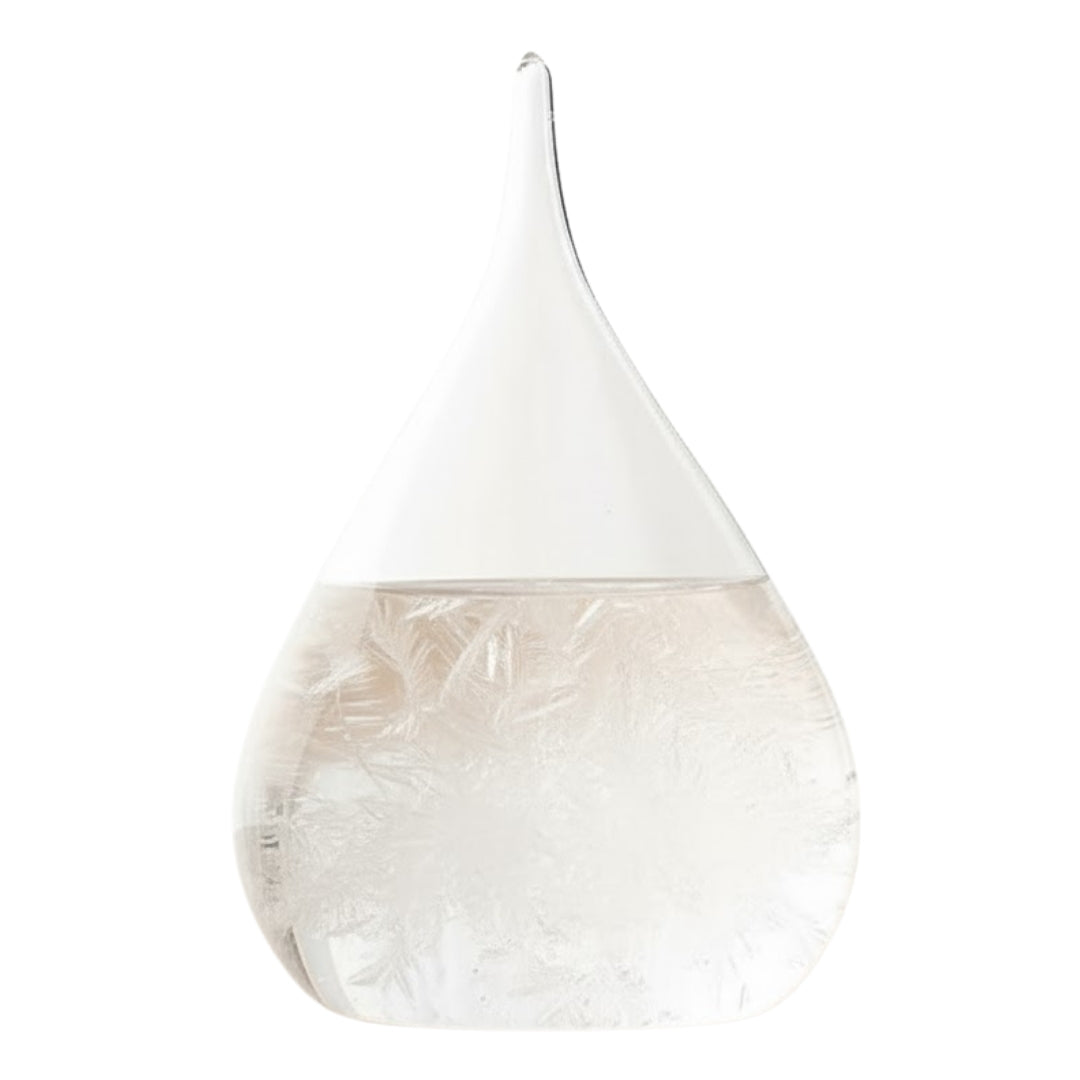
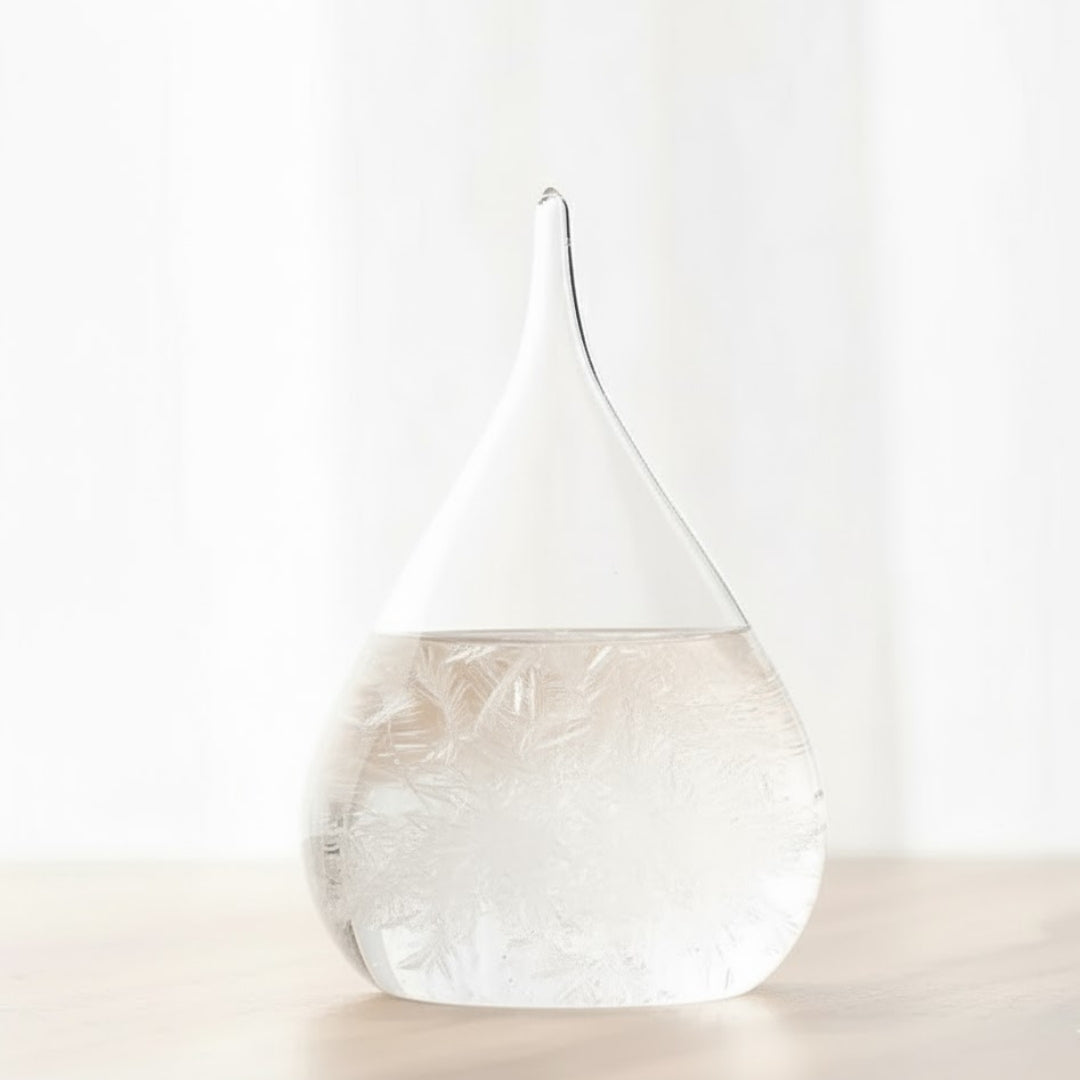
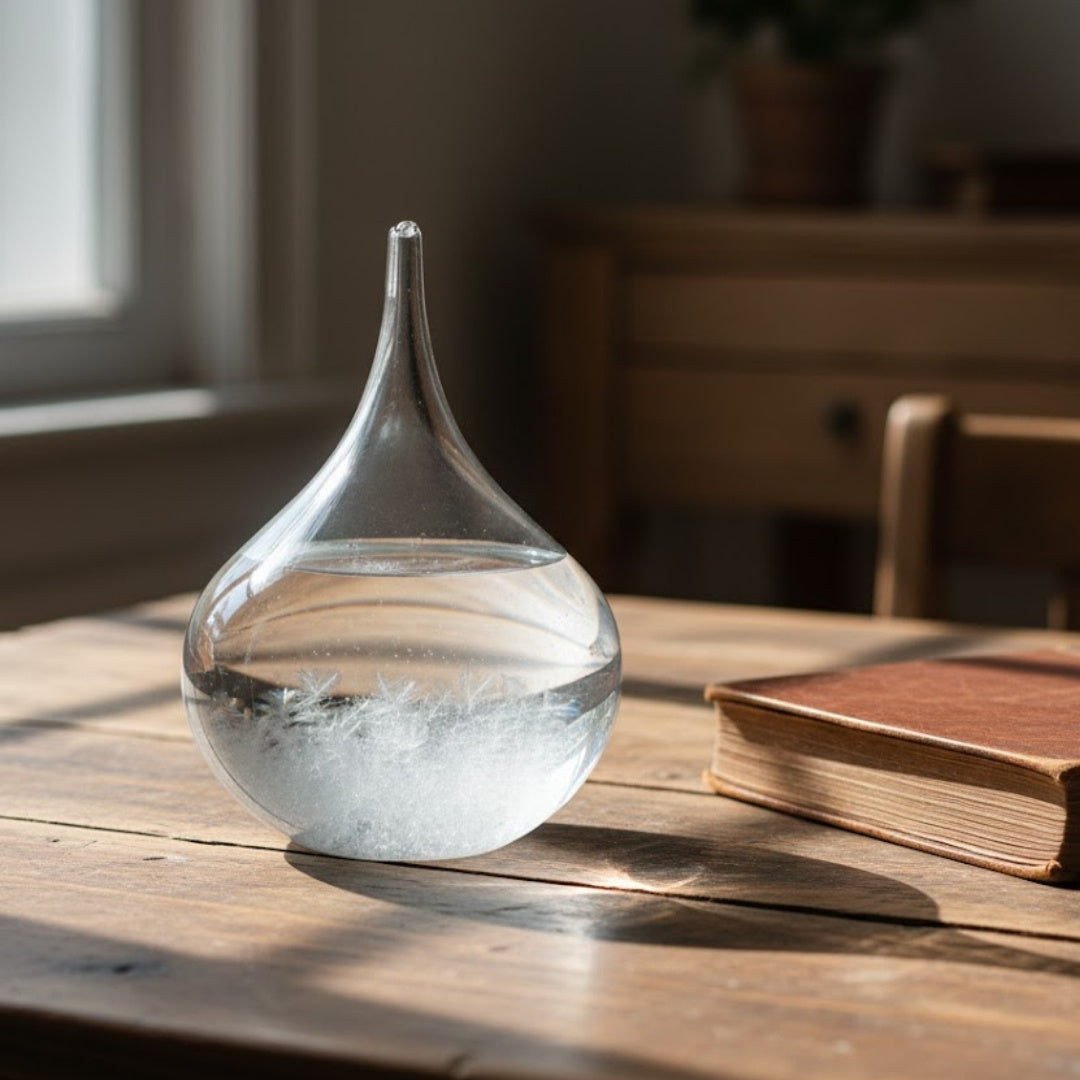
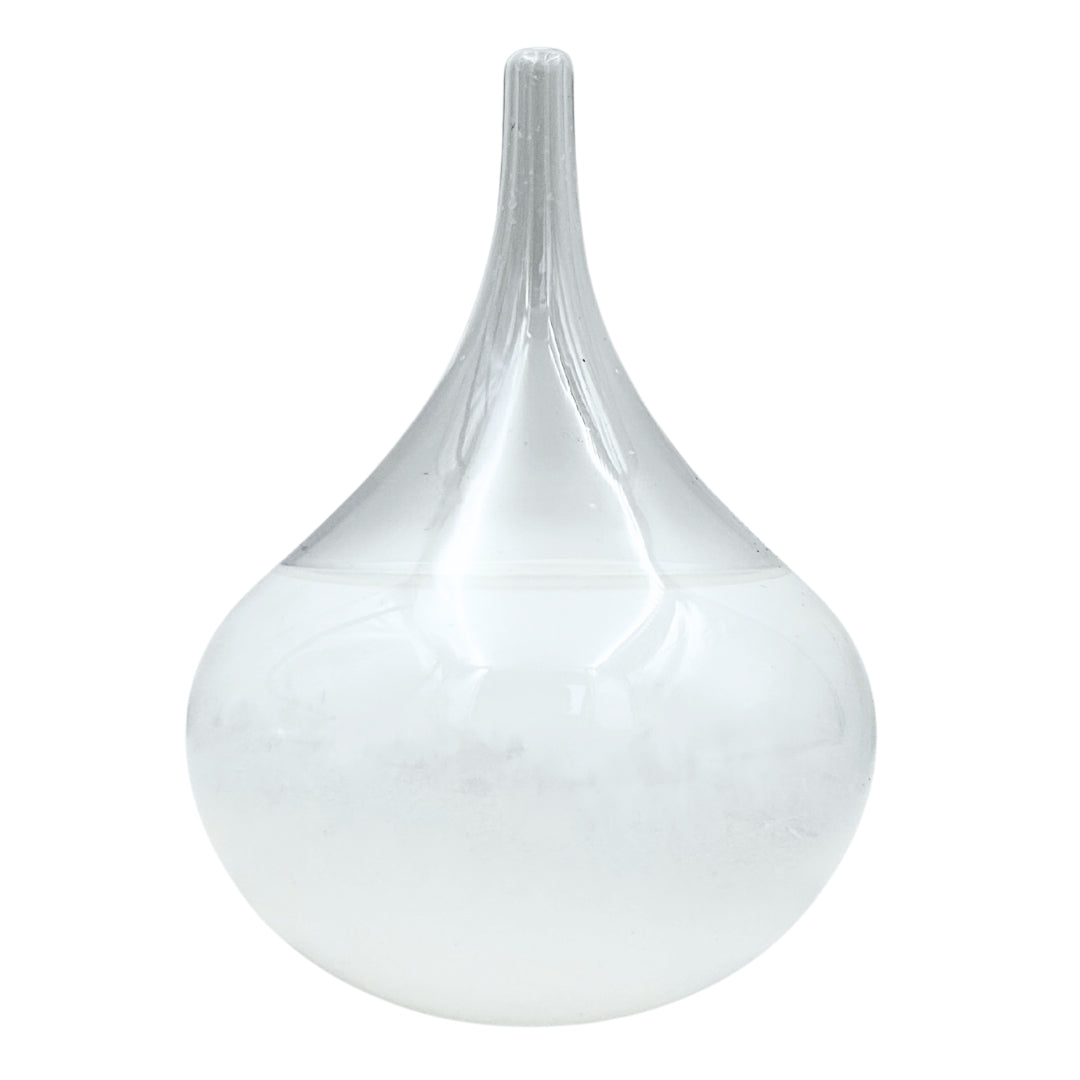
A unique and remarkably original storm barometer in the shape of a large drop indicates what weather we can expect!
The FitzRoy barometer is an elegant and impressive gadget that allows you to observe weather changes in a simple way. It works through chemical reactions in a special solution – when air pressure rises, the liquid rises, and when it falls, the liquid drops. As a result, the barometer “predicts” the weather: it indicates whether sunny days, rain, or a storm are approaching. It is a fascinating combination of science and design – ideal for those who appreciate practical yet striking accessories.
USED IN THE 1750S
Such unusual barometers were already in use in the 1750s. Charles Darwin used the Storm Barometer to predict the weather on his ship, including during the famous scientific expedition to the Galapagos Islands.
CHANGES SHAPE DEPENDING ON THE WEATHER
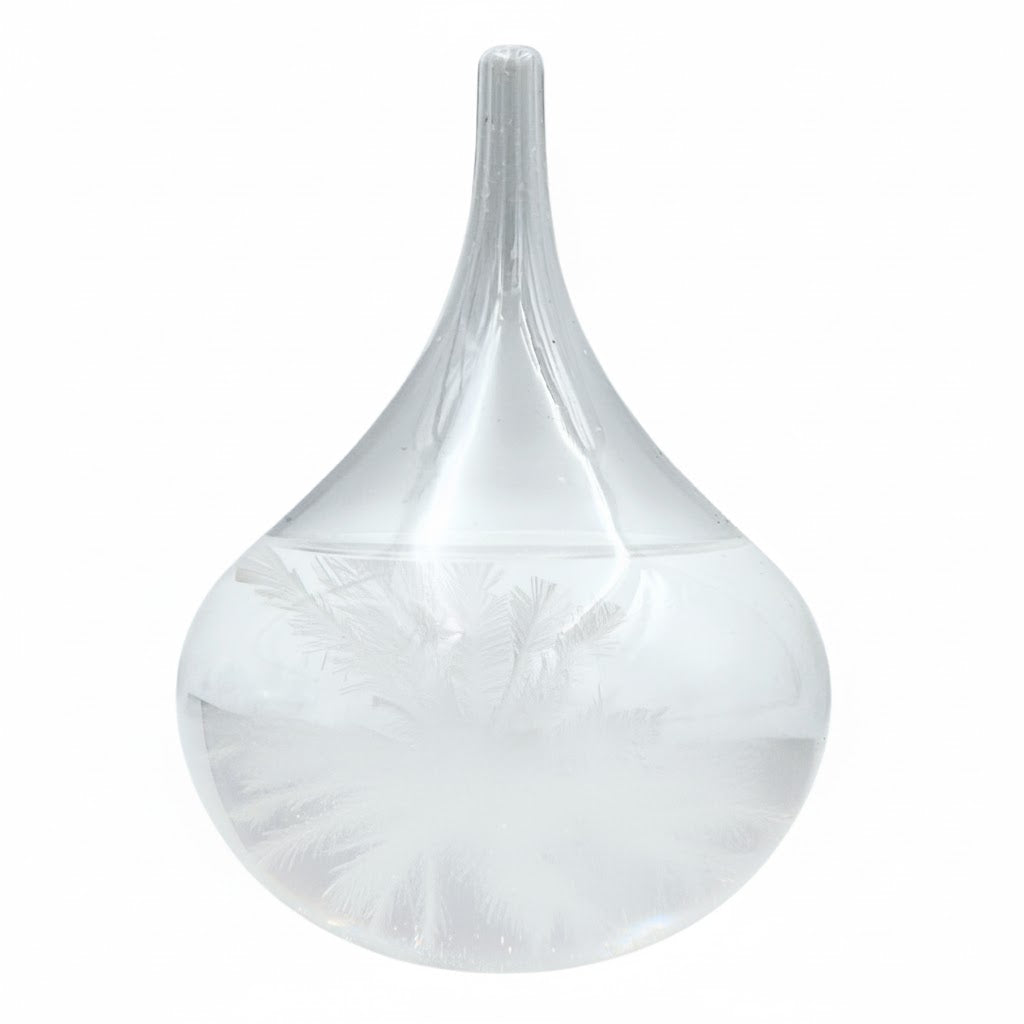
Inside is a mixture of distilled water, ethanol, potassium nitrate, ammonium chloride, and camphor. Camphor is the key! Depending on atmospheric conditions – mainly changes in pressure, temperature, and humidity – unique crystals form, dissolve, or change shape in the solution.
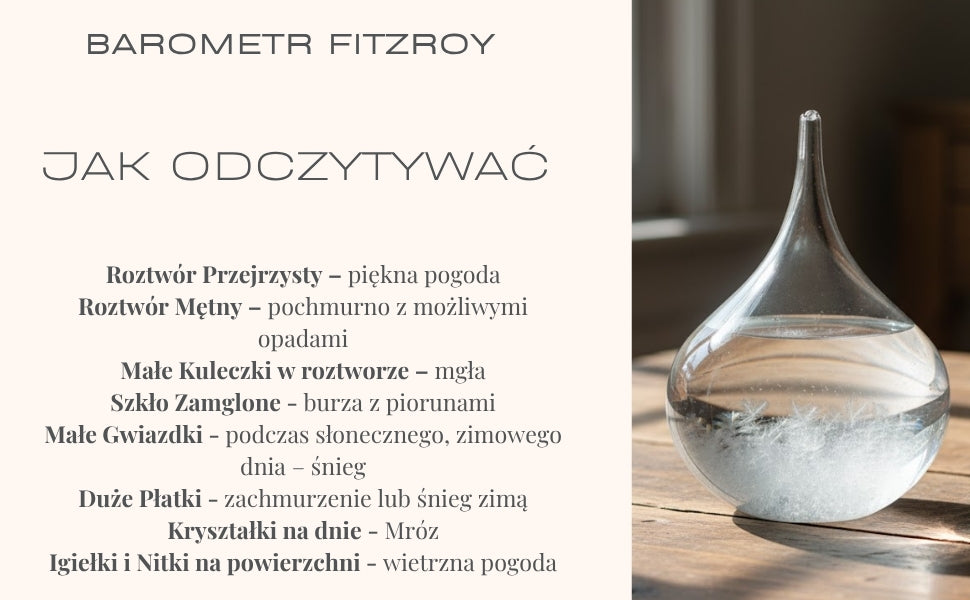
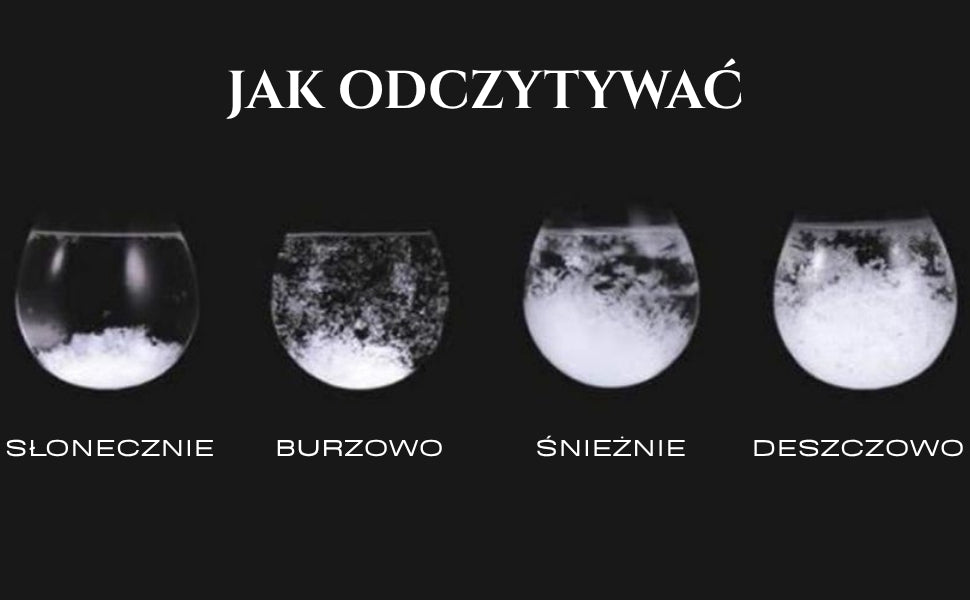
• The liquid is crystal clear: The weather is likely to be sunny and dry.
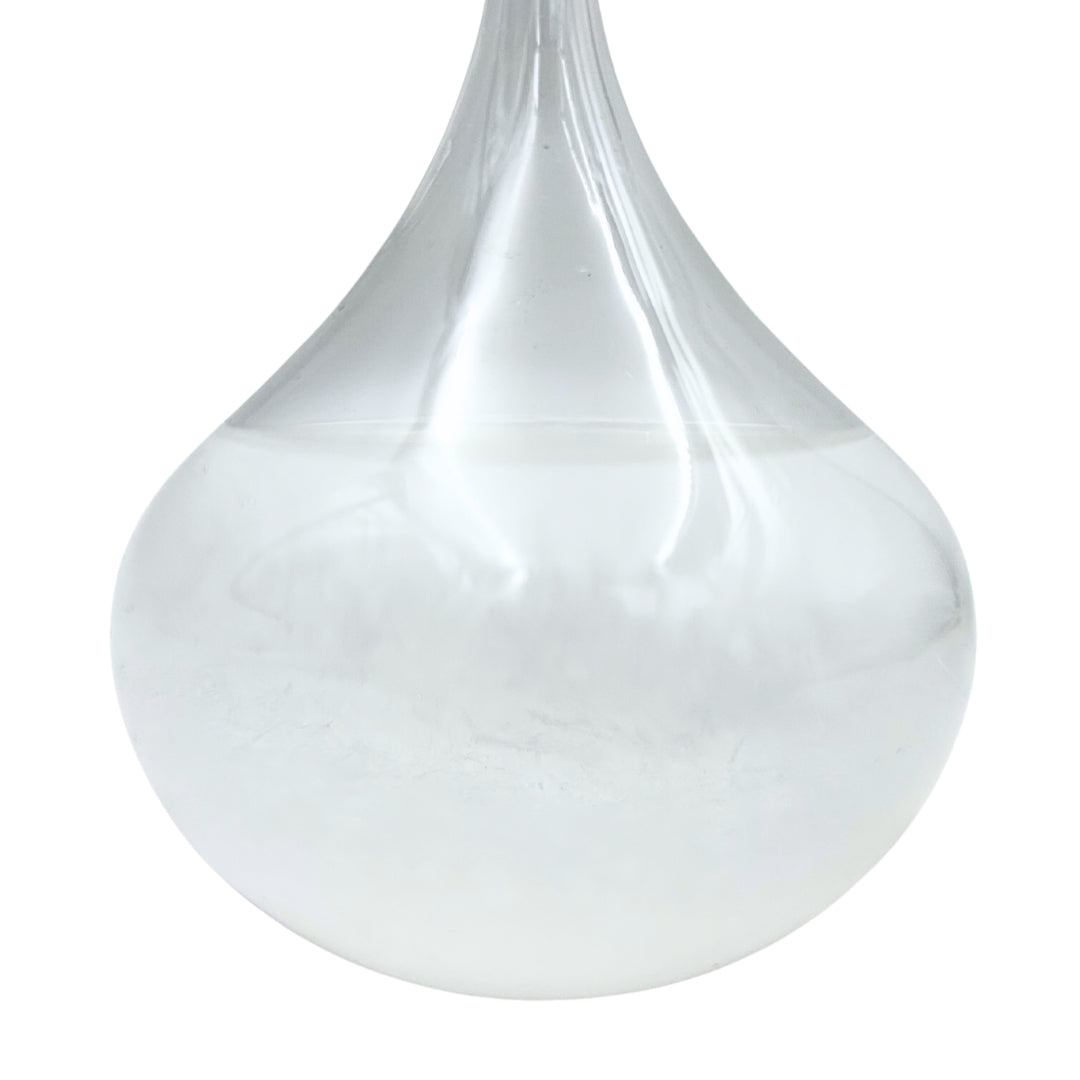
• Small, cloudy stars or flakes appear in the solution: This means that cloudiness, fog, or rain is approaching.
• Large, feathery crystals: They indicate an approaching storm or heavy rainfall.
• Crystals form threads or strands at the top of the liquid: They indicate windy weather.
Product information:
• Product: Storm Glass (FitzRoy Barometer)
• Shape: Drop
• Vessel material: Glass
• Height: 11 cm
• Liquid composition: Water, ethanol, natural camphor, and other ingredients (e.g. ammonium chloride, potassium nitrate)
• Operating principle: Change in the appearance of crystals depending on ambient temperature and atmospheric pressure.
• Use: Weather forecasting, table/shelf decoration
AN EXCELLENT GIFT FOR:
• For the Amateur Meteorologist: A fantastic visual instrument for weather observation, complementing traditional thermometers and barometers.
• For Desk/Office Decoration: A minimalist glass decoration that adds elegance and serves as a conversation piece.
• For the Teacher/Scientist: An ideal, intriguing gift with a scientific background, explaining crystallization phenomena.
• For Those Who Value Calm: Observing the slow changes inside the vessel has a relaxing and soothing effect.
• For the Sailing Enthusiast/Traveler: Historically associated with sea voyages, it is a symbol of adventure and traditional navigation.
NOT ONLY AN INDICATOR, BUT ALSO A DECORATION
The FitzRoy barometer is an ideal item for everyone. It is a unique, mesmerizing gadget that combines historical curiosity with a decorative element. It is an impressive ornament and an intriguing conversation topic in any living room, study, or office.
HOW THE FITZROY BAROMETER WORKS:
The FitzRoy barometer, also known as a Storm Glass or Storm Crystal, is a historical meteorological instrument popularized by Vice-Admiral Robert FitzRoy, captain of HMS Beagle (the ship on which Charles Darwin made his famous voyage). FitzRoy used and refined this instrument to predict the weather at sea, publishing detailed instructions for its use.
The key ingredient of the barometer is camphor, an organic terpene compound, along with accompanying salts: potassium nitrate and ammonium chloride, dissolved in a mixture of ethanol and distilled water. The solution is sealed, but it does not work like a typical barometer that measures atmospheric pressure.
Physicochemical Phenomenon of Crystallization
The barometer’s operation is based on the phenomenon of crystallization and dissolution of camphor in the liquid. This process is highly dependent on subtle thermodynamic changes in the environment, which often precede an actual change in the weather.
1. Temperature and pressure: Changes in temperature and atmospheric pressure affect the solubility of camphor in the solution.
2. Condensation: It is believed that condensation of moisture on the surface of the crystals inside the vessel also has an effect, which is more pronounced when external humidity increases.
3. Crystal formation: A drop in temperature (often associated with the arrival of a cold front or storm), as well as pressure changes, leads to faster precipitation and growth of camphor crystals in the solution.
WE SHIP WORLDWIDE
Shipping by courier
ENGRAVING FREE
Regardless of the number of engravings
CHAT24/7
Write if you have questions

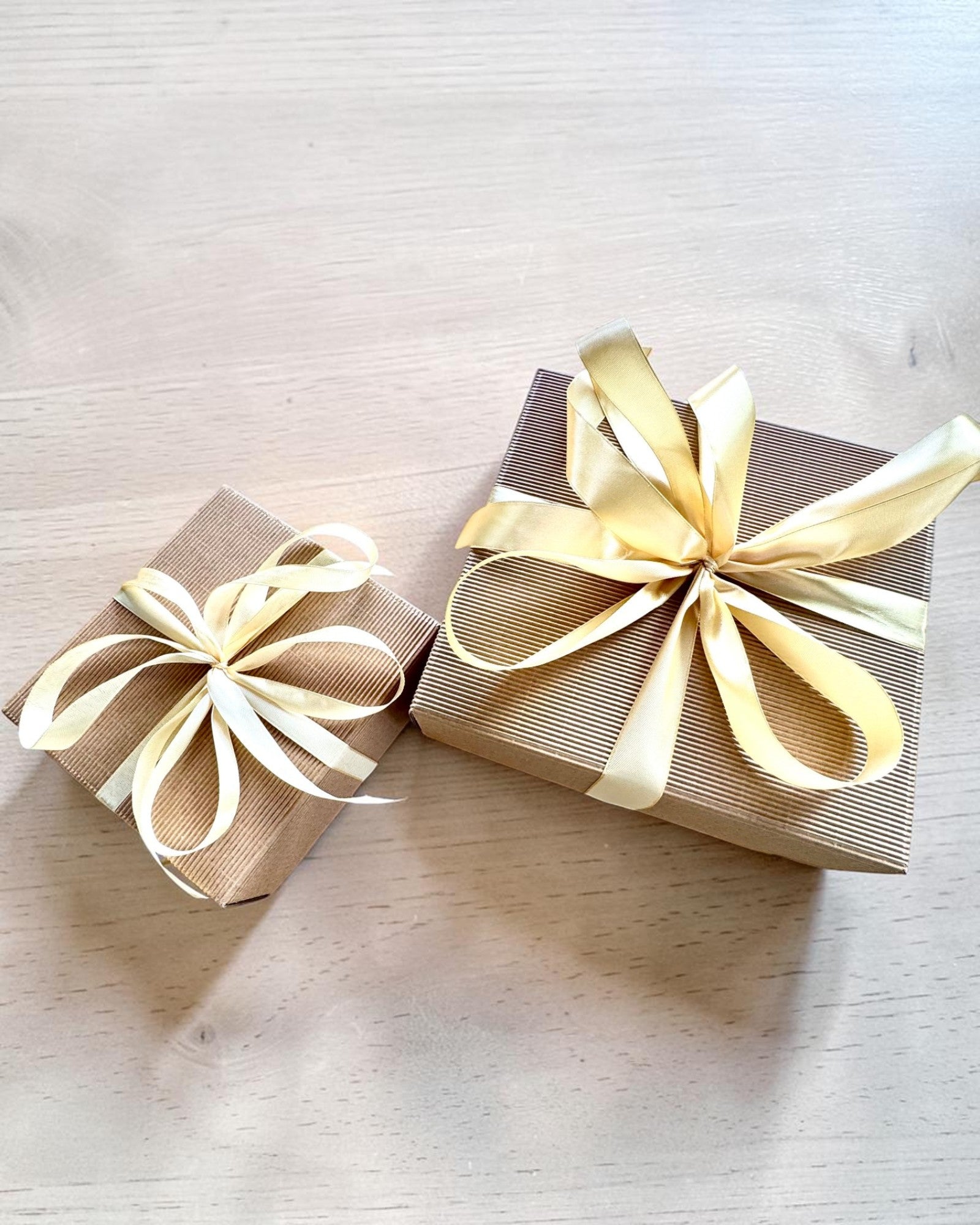
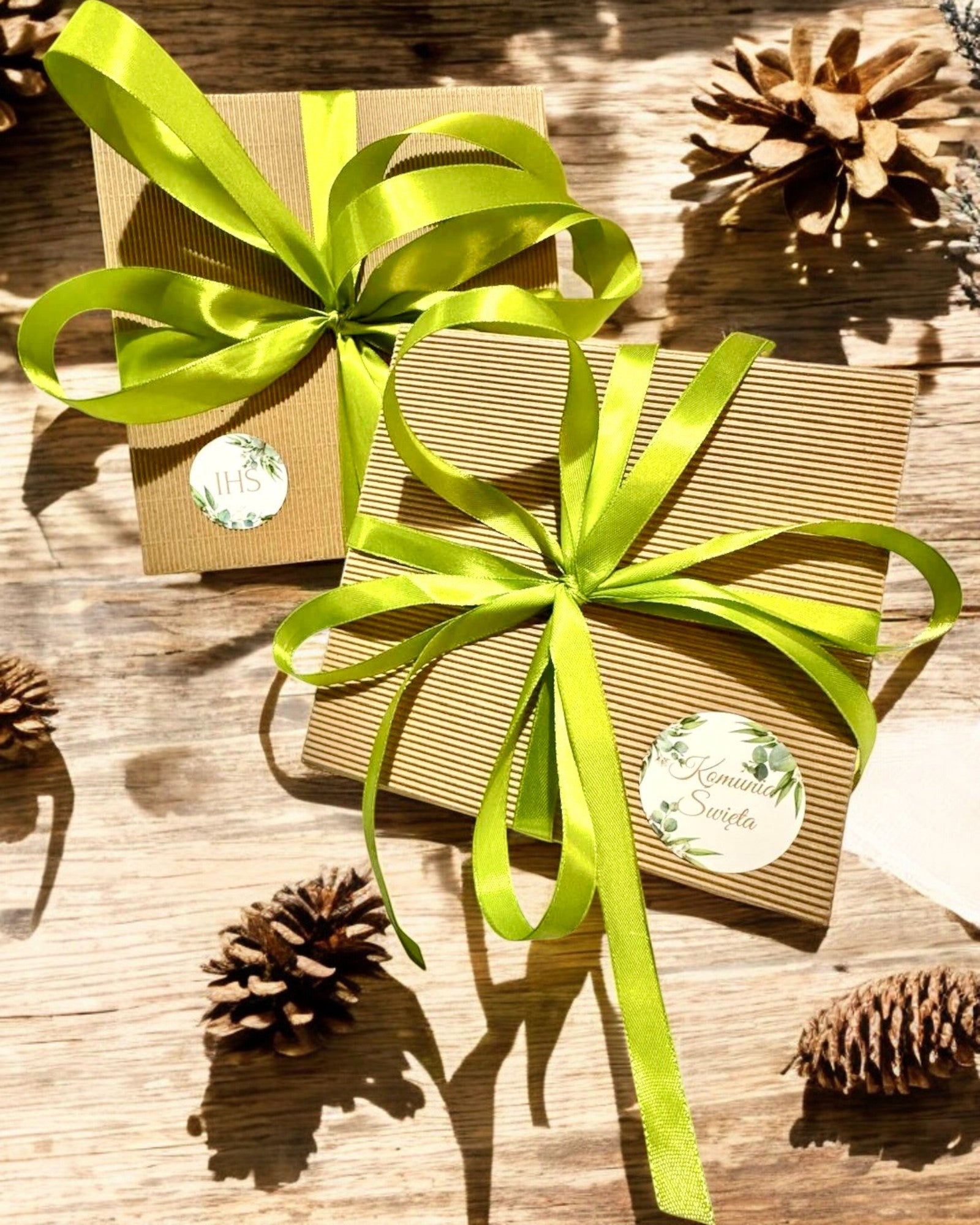
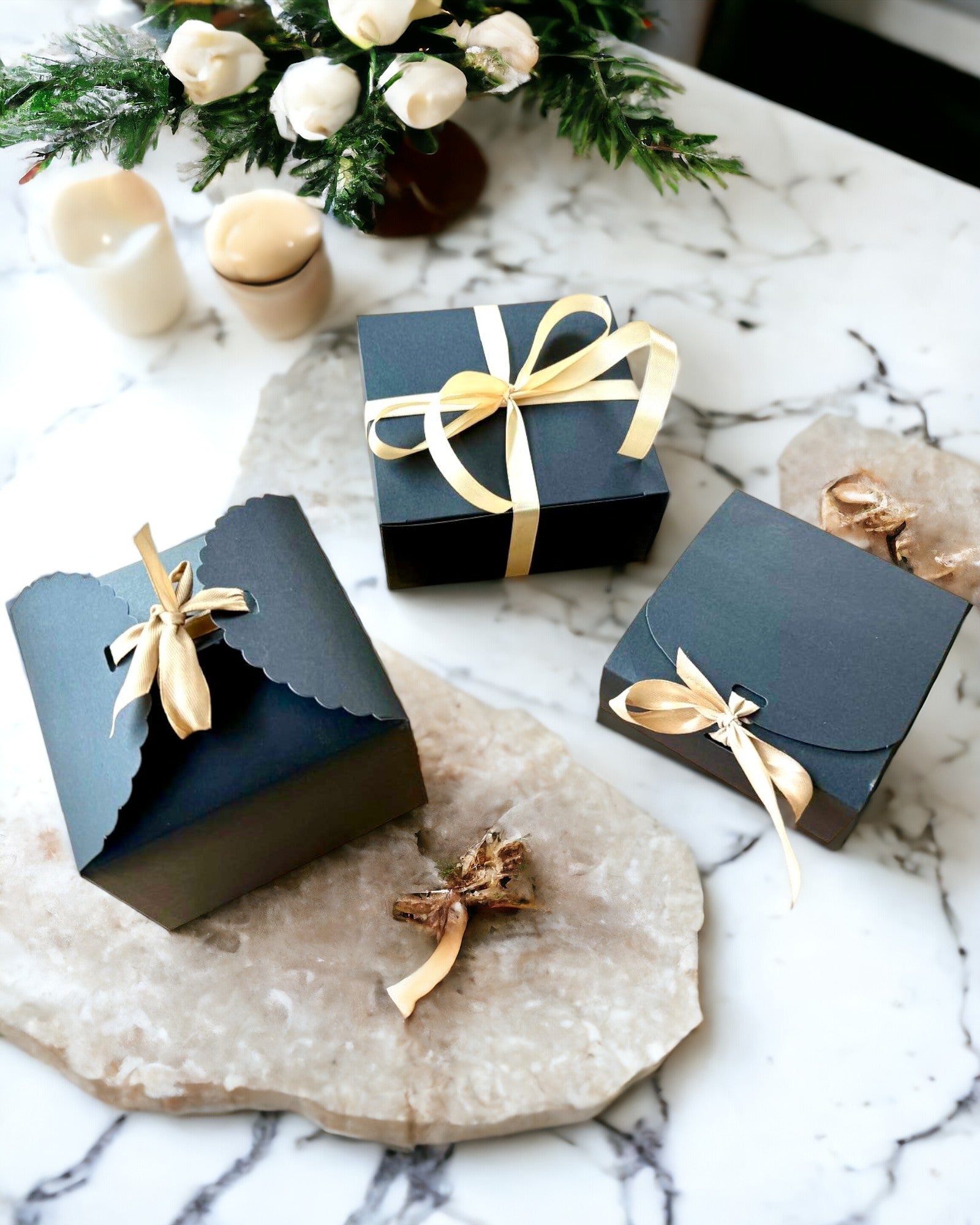
Wrap it as a gift?
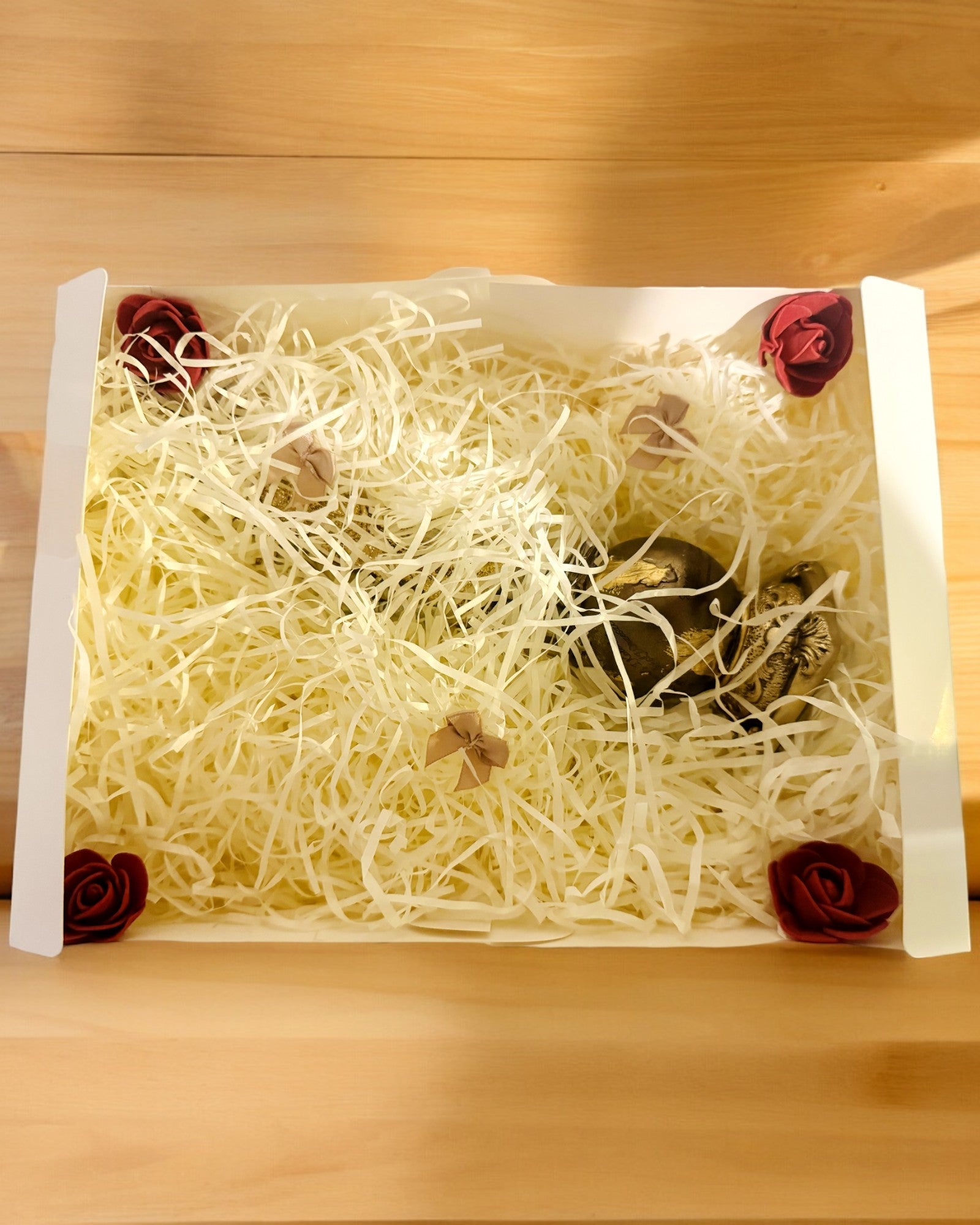


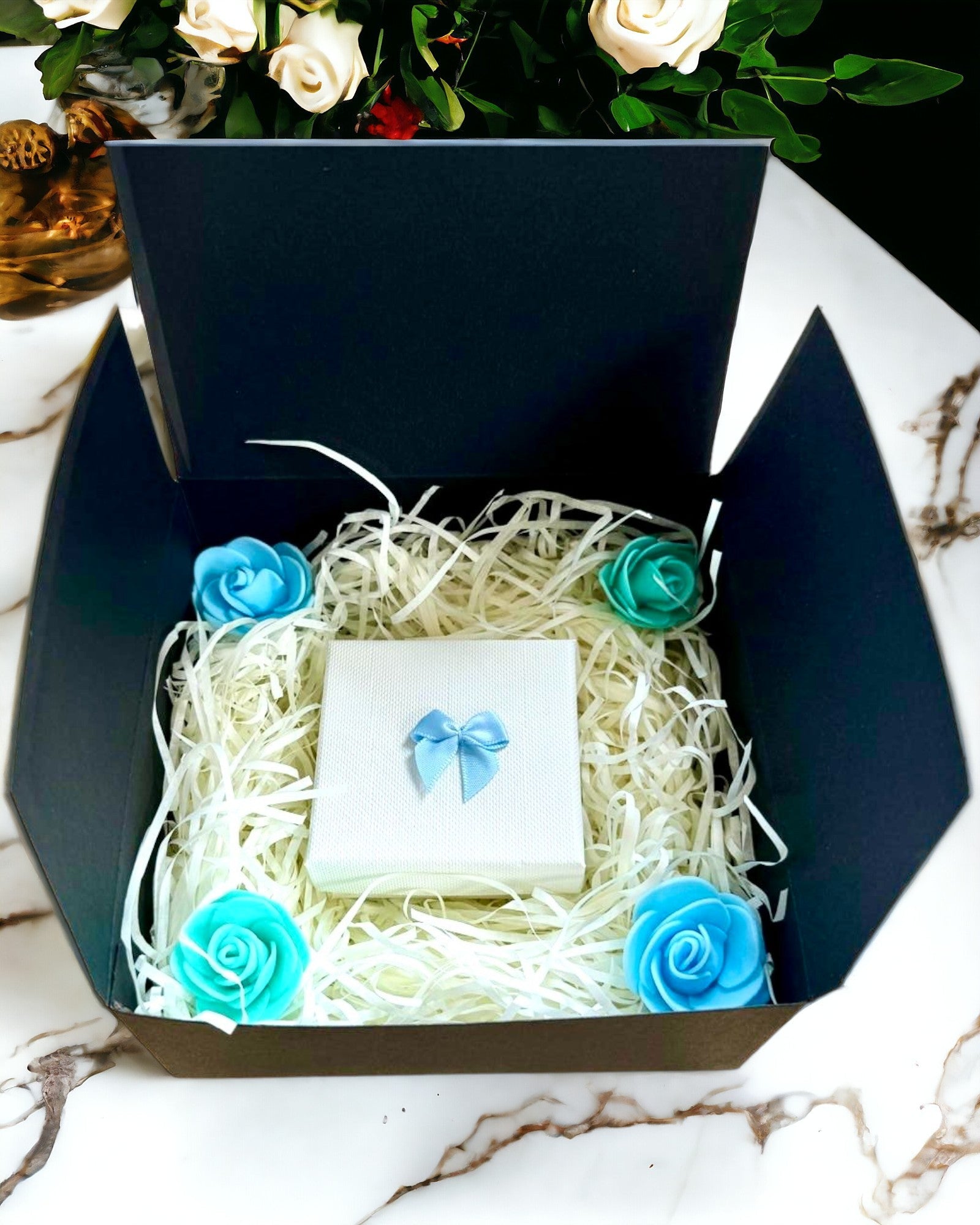
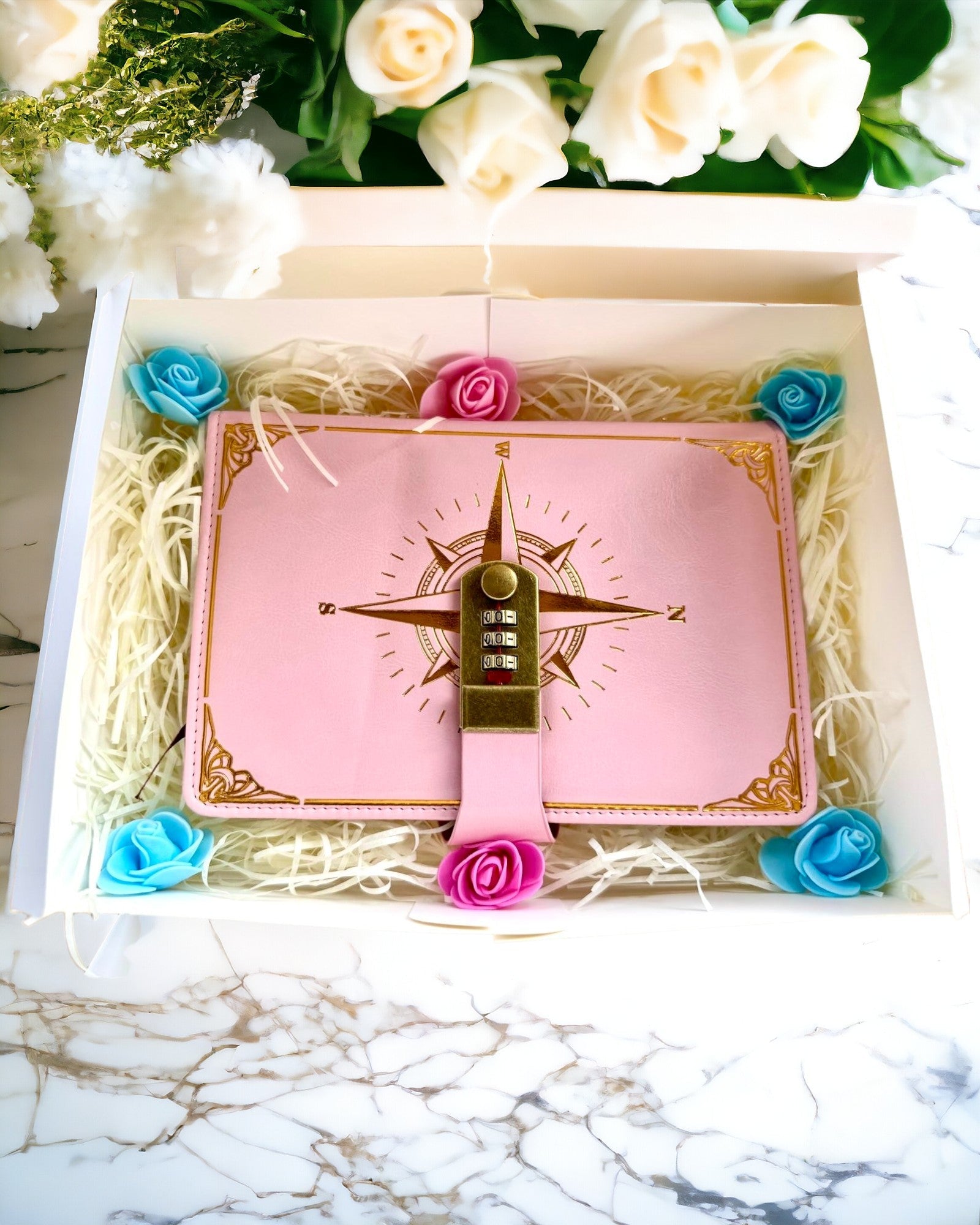
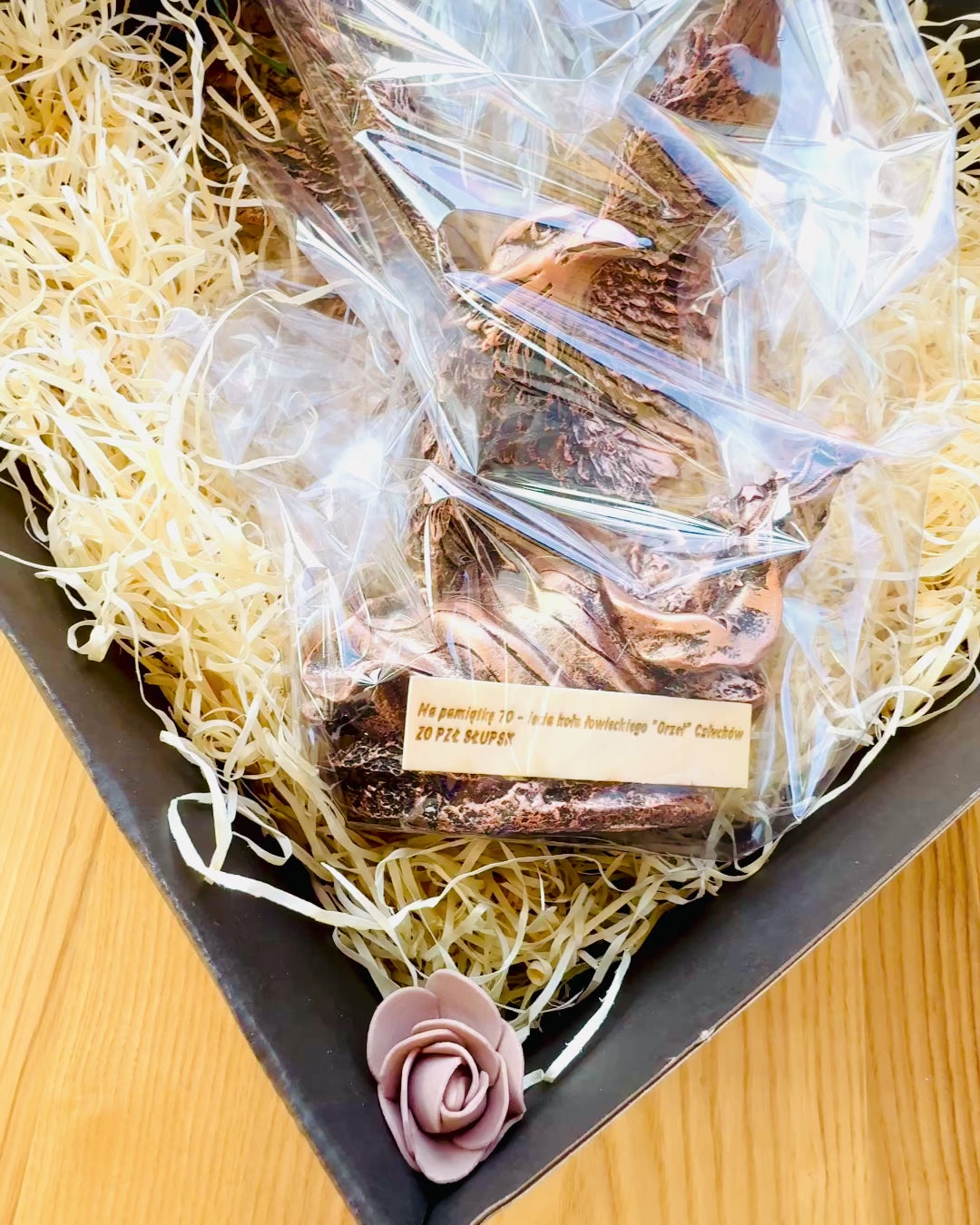
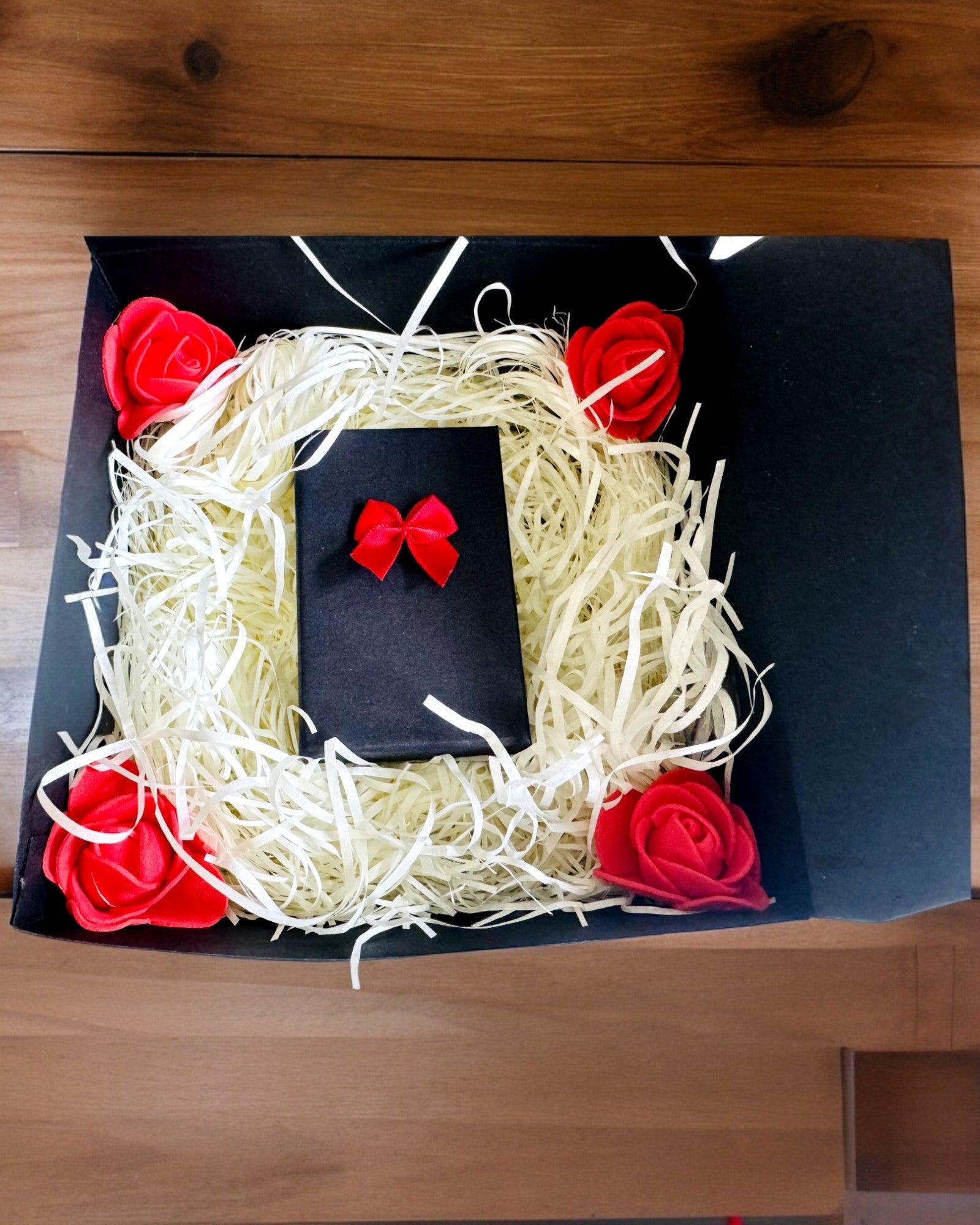
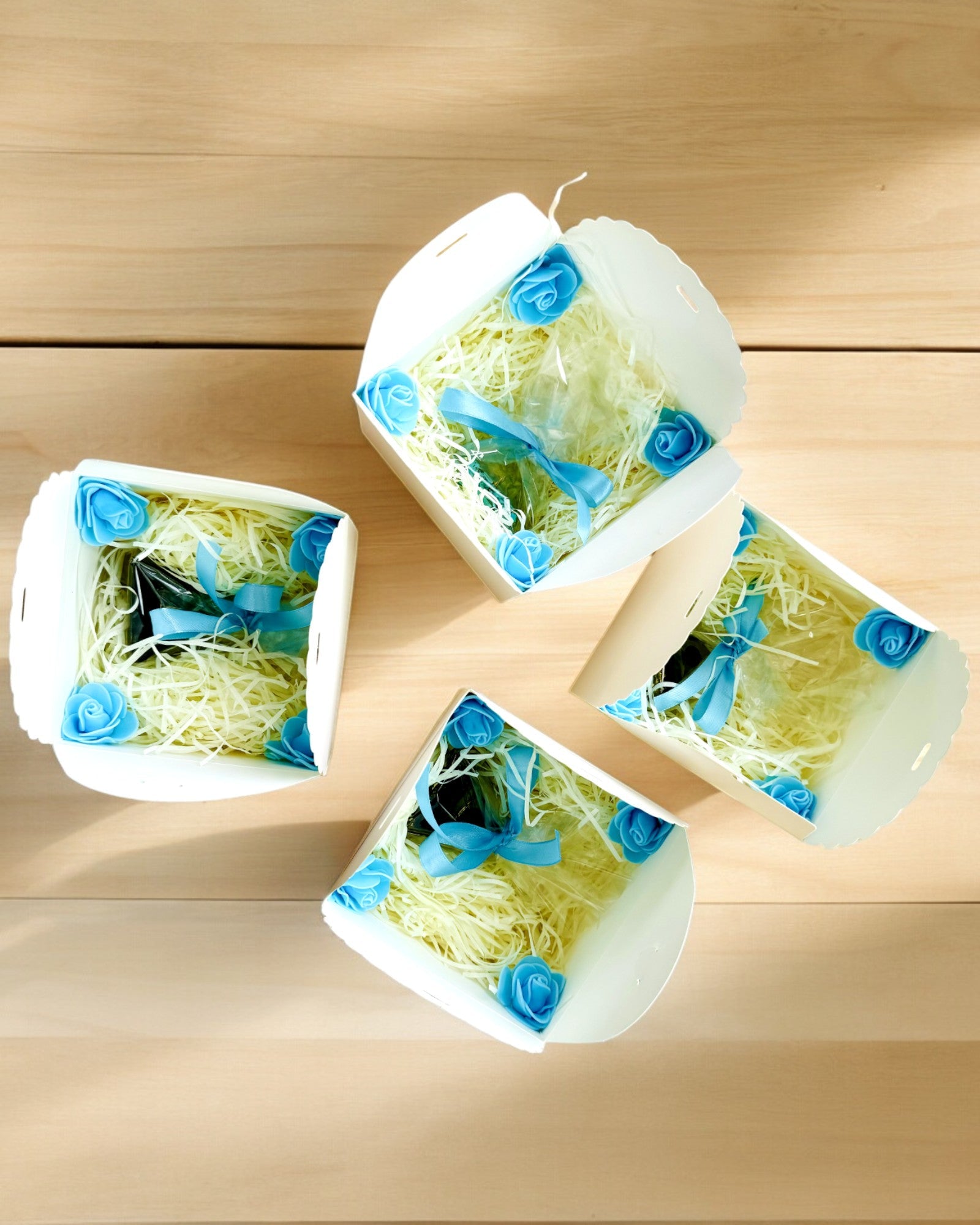
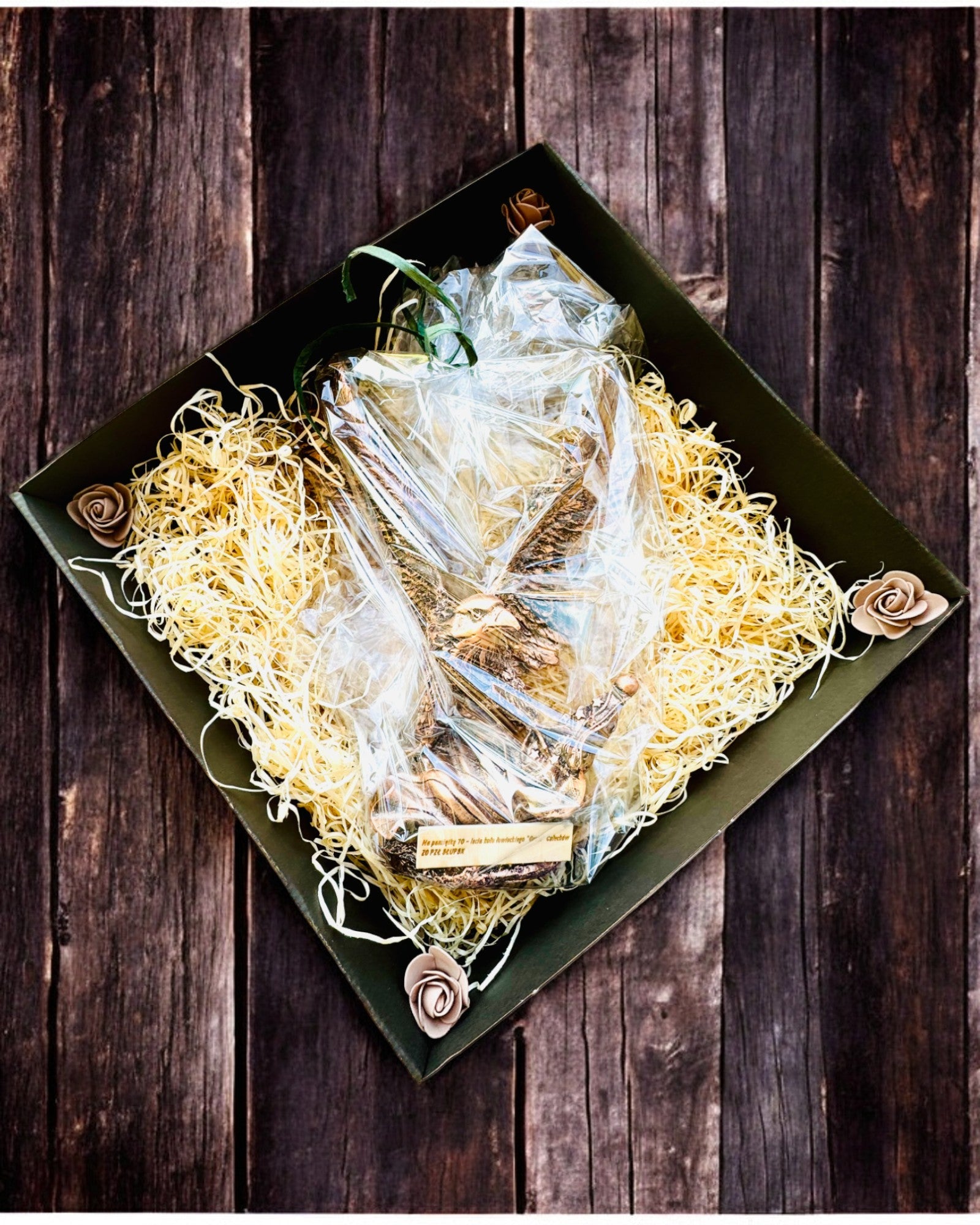
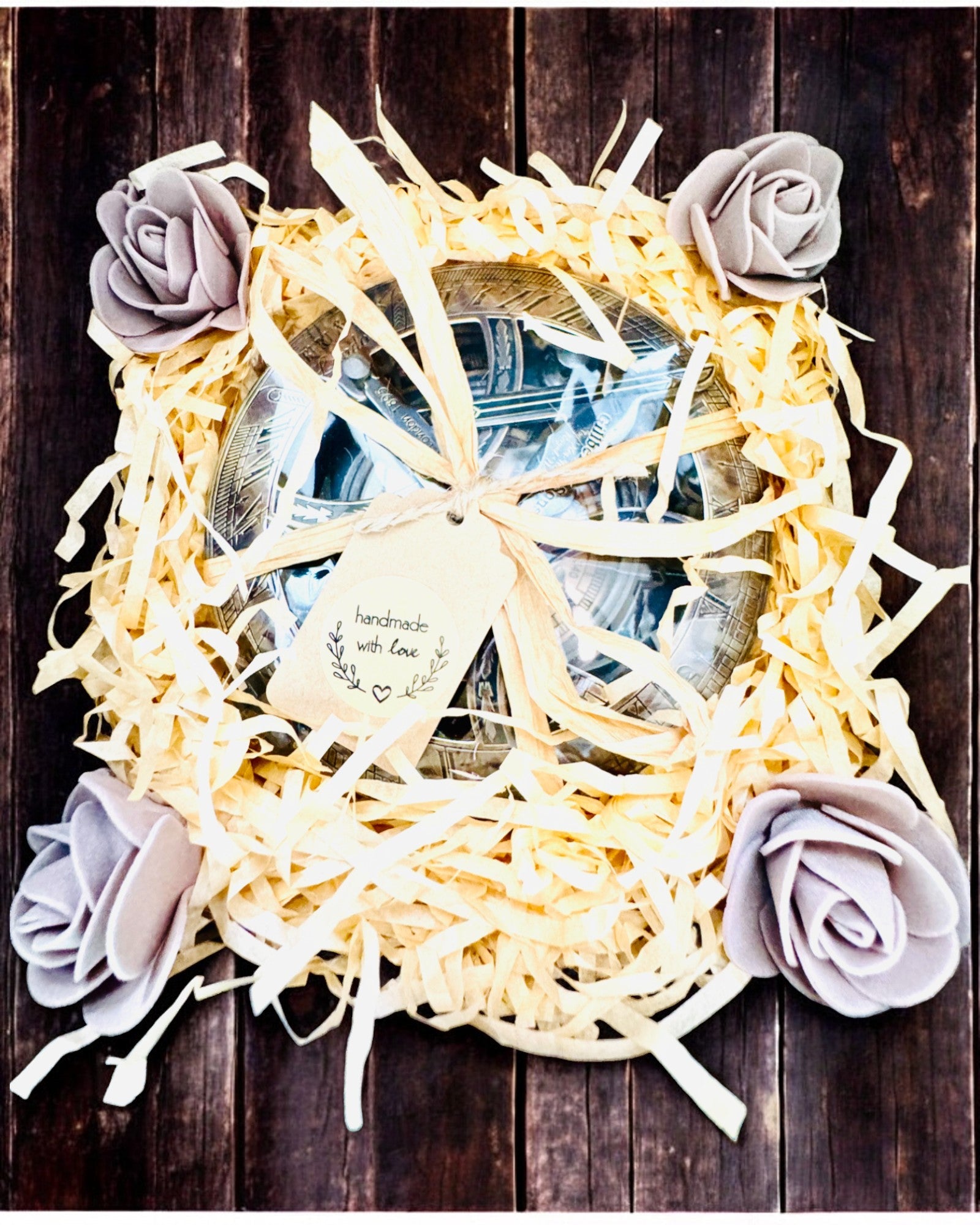
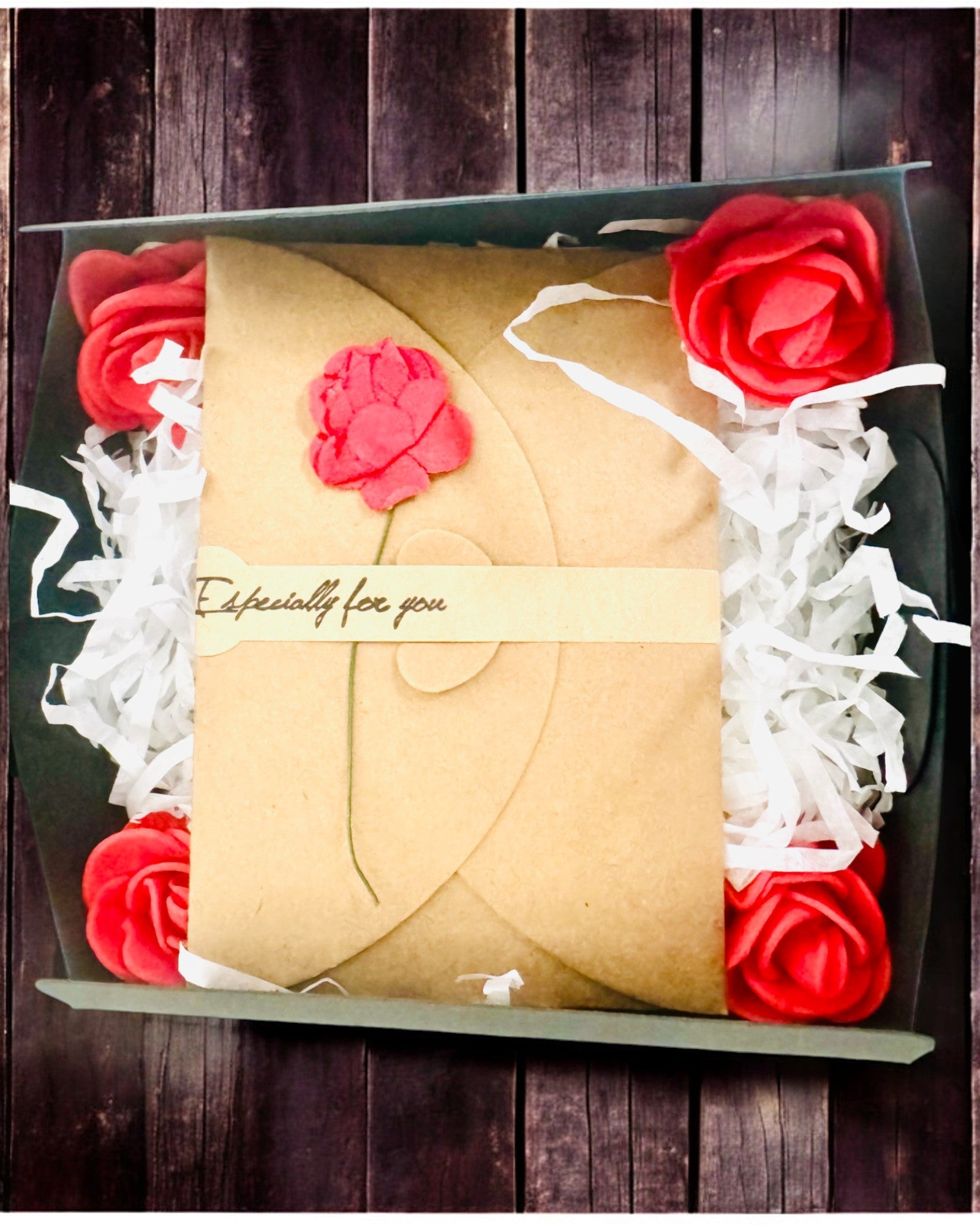
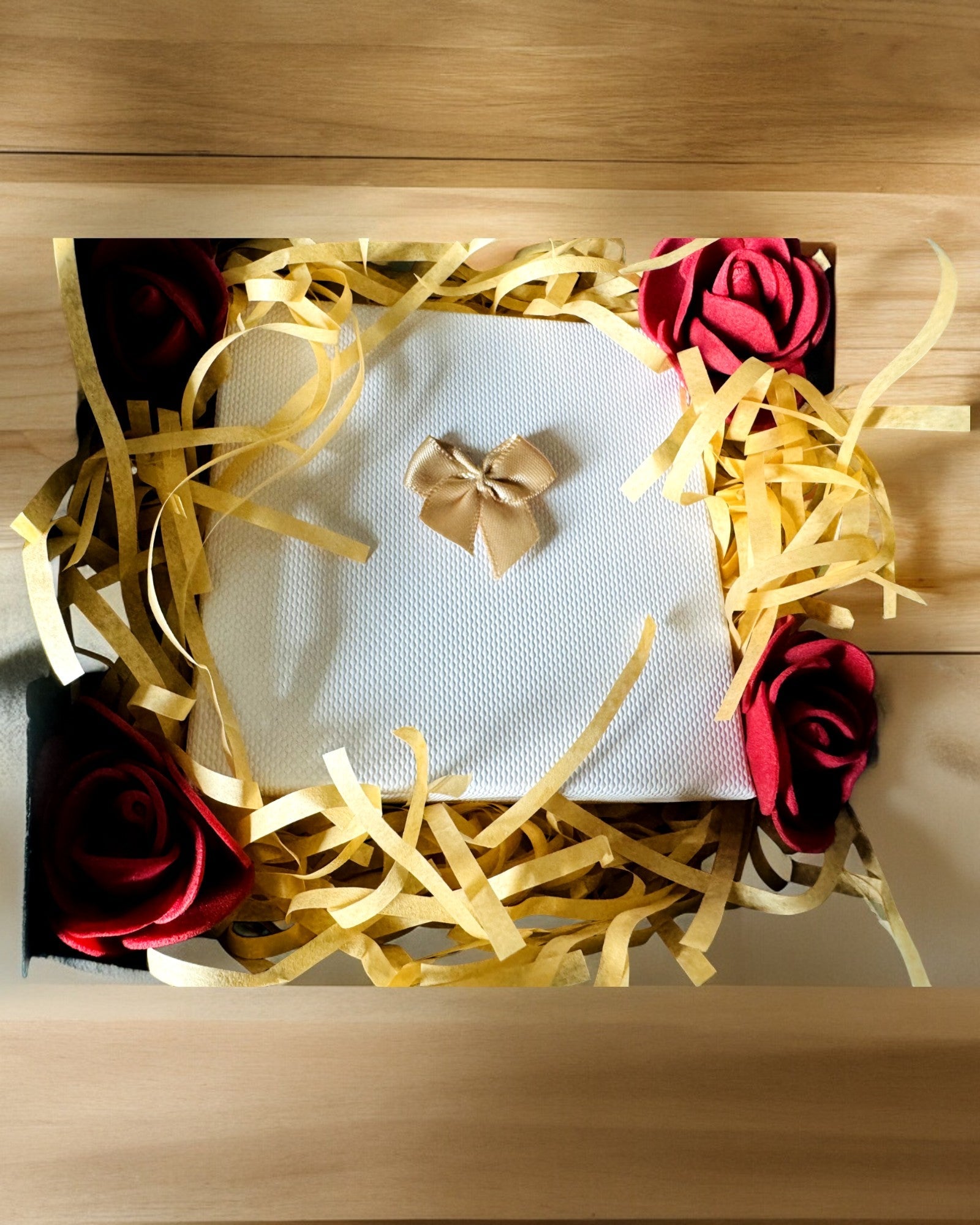
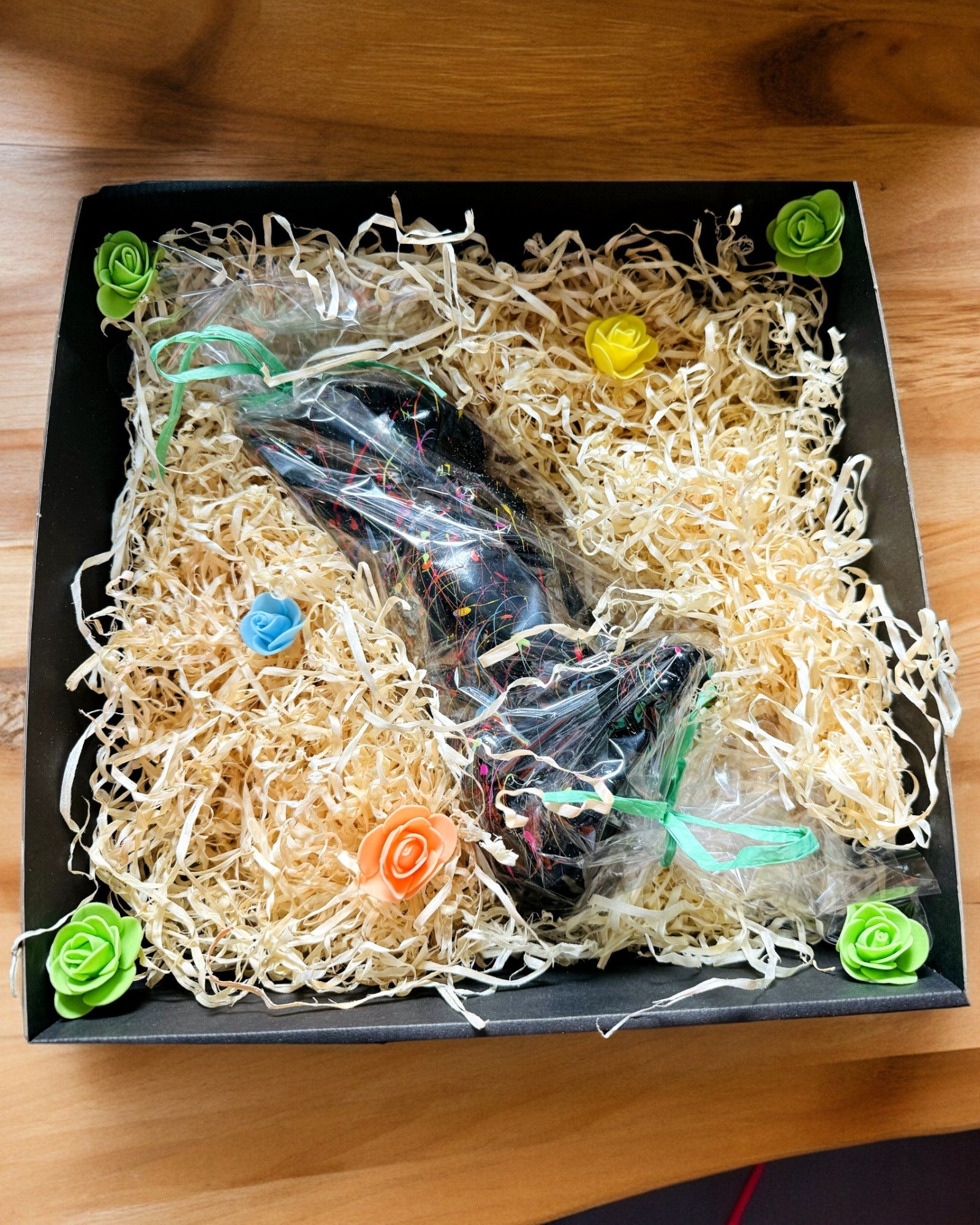
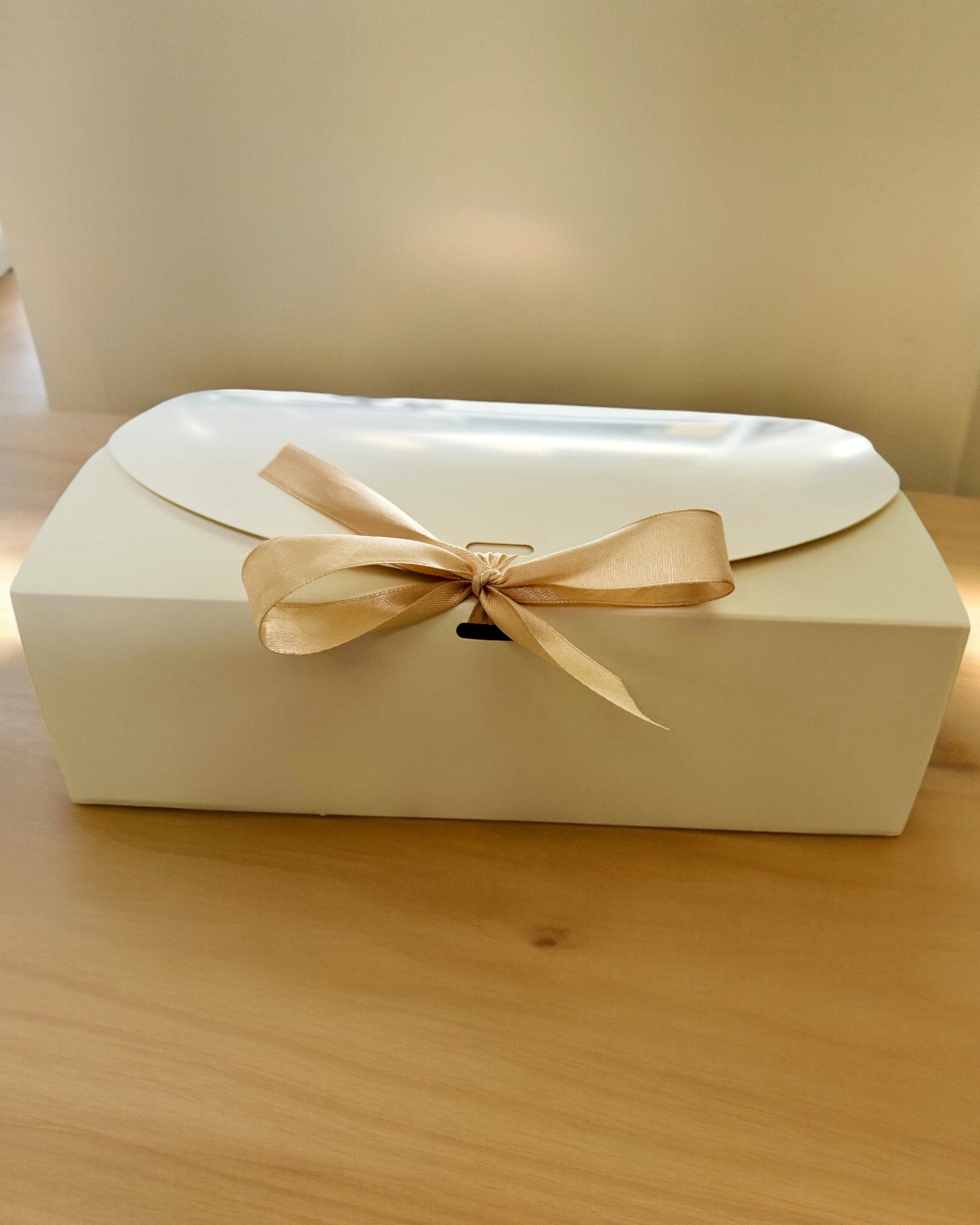
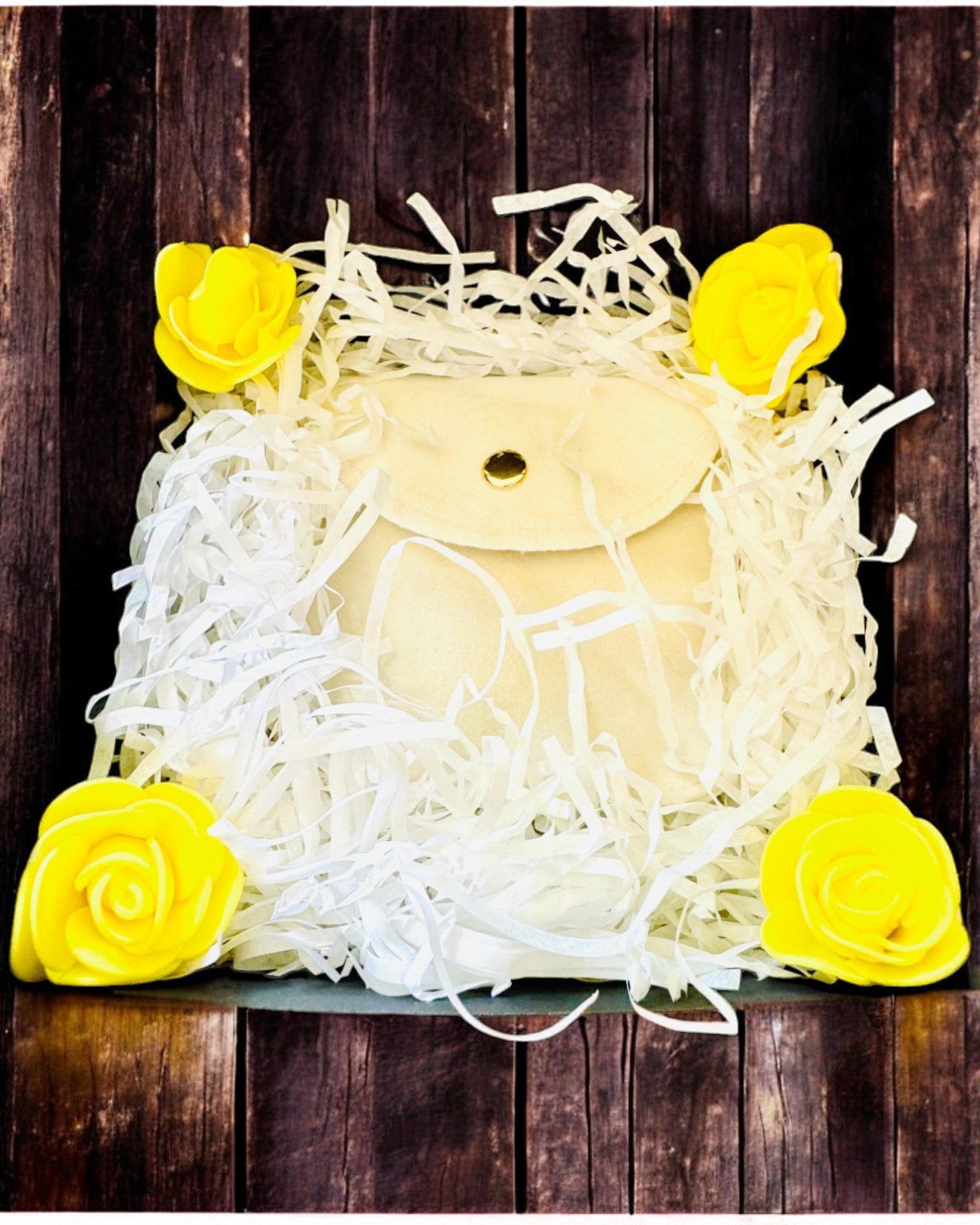
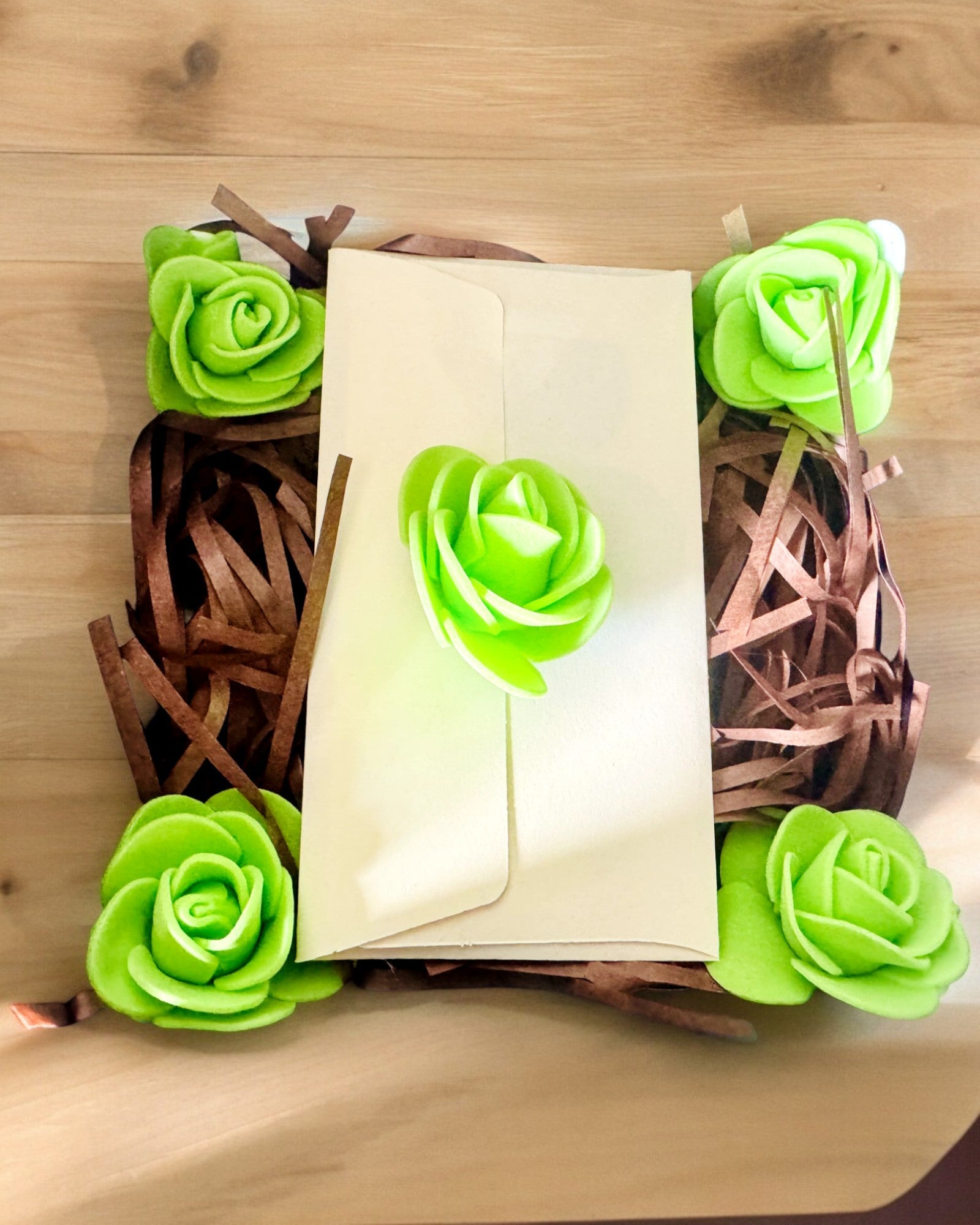
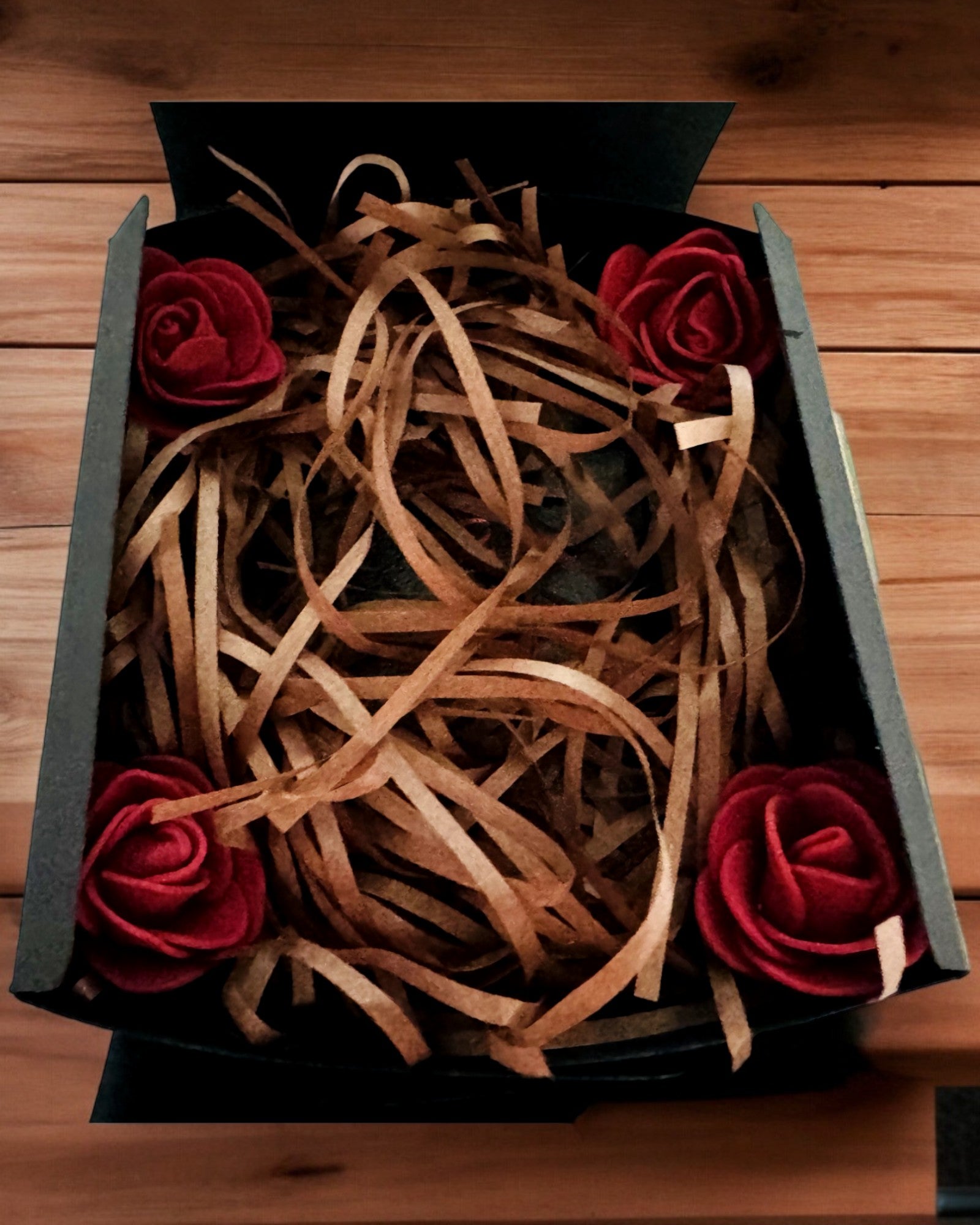
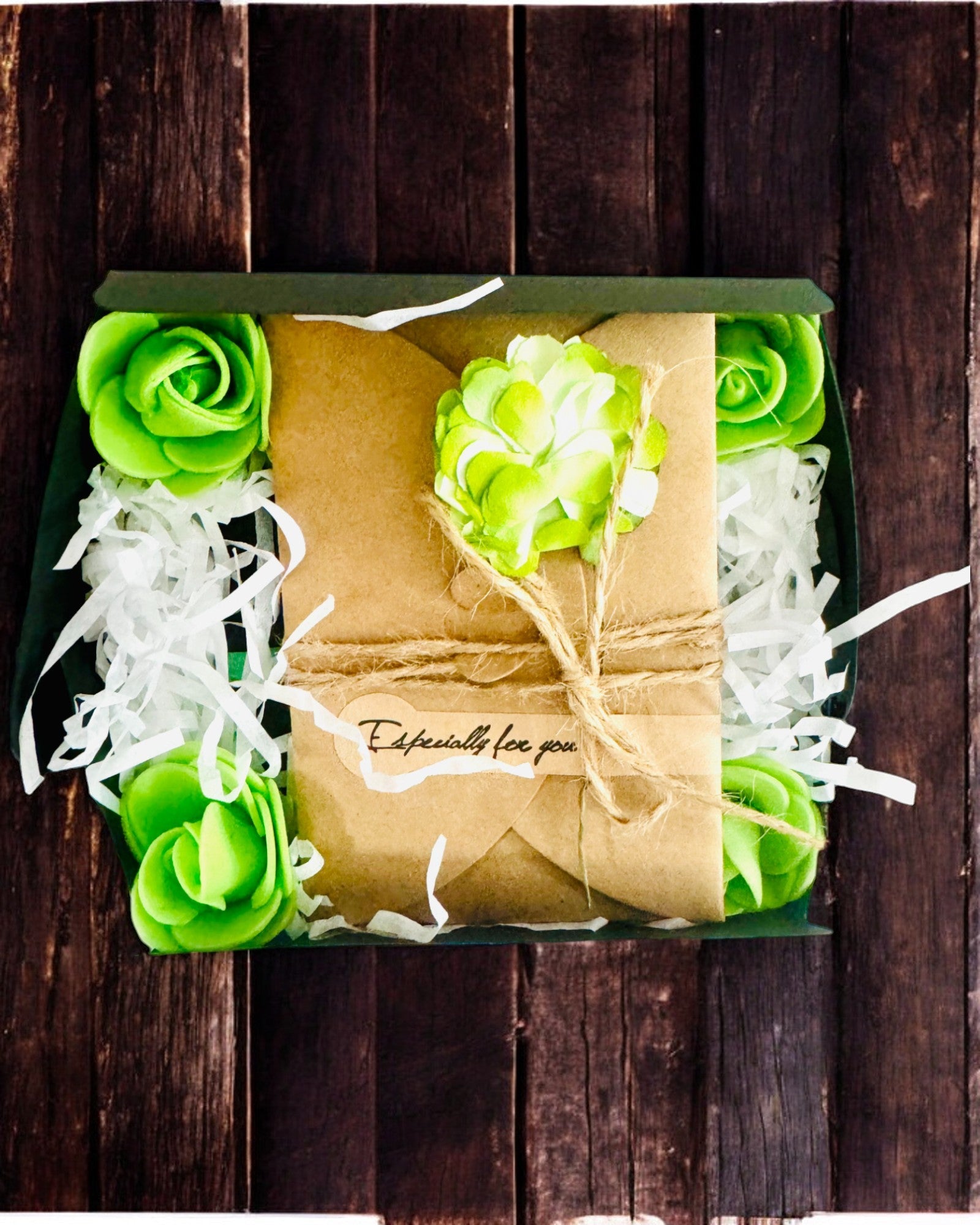
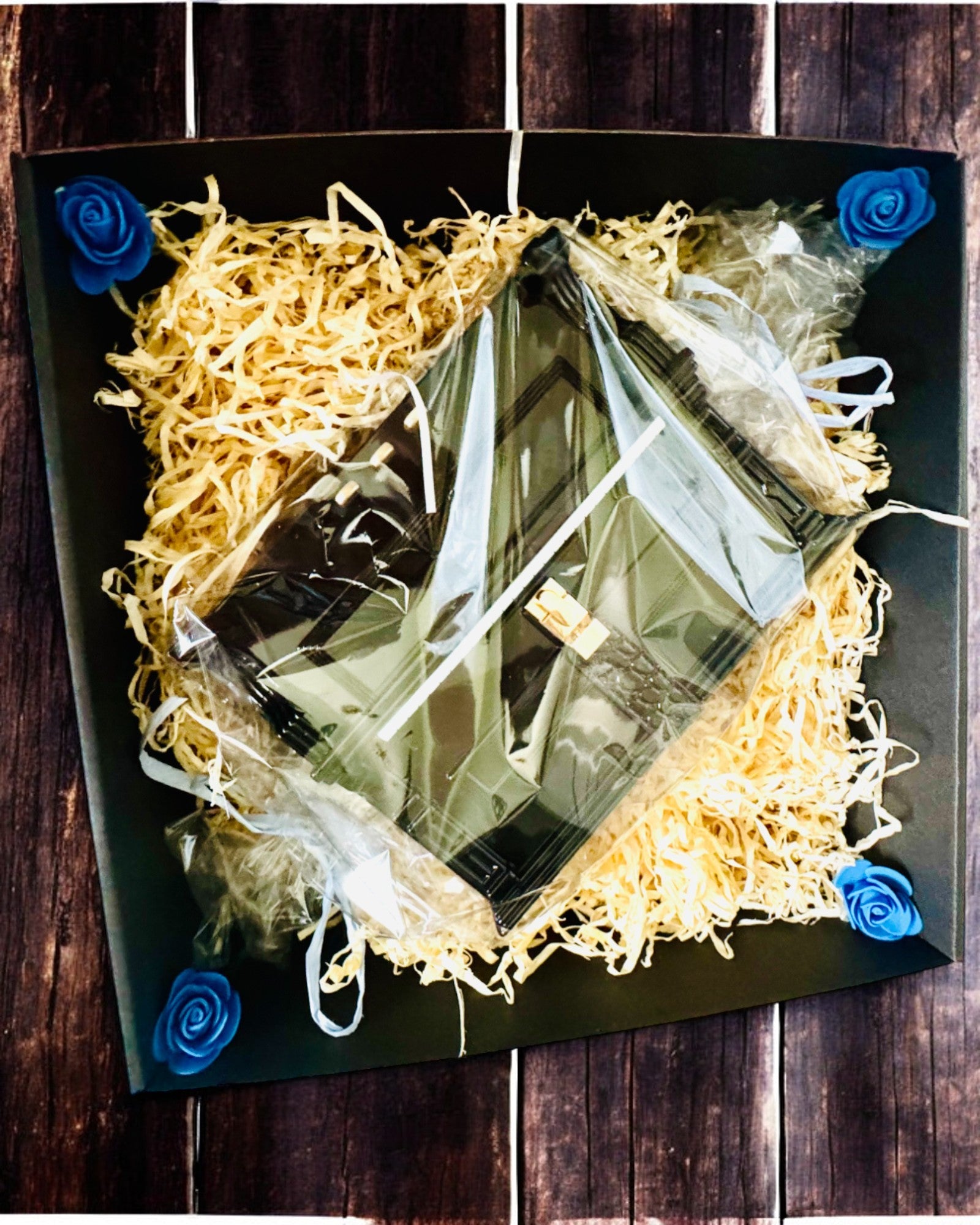
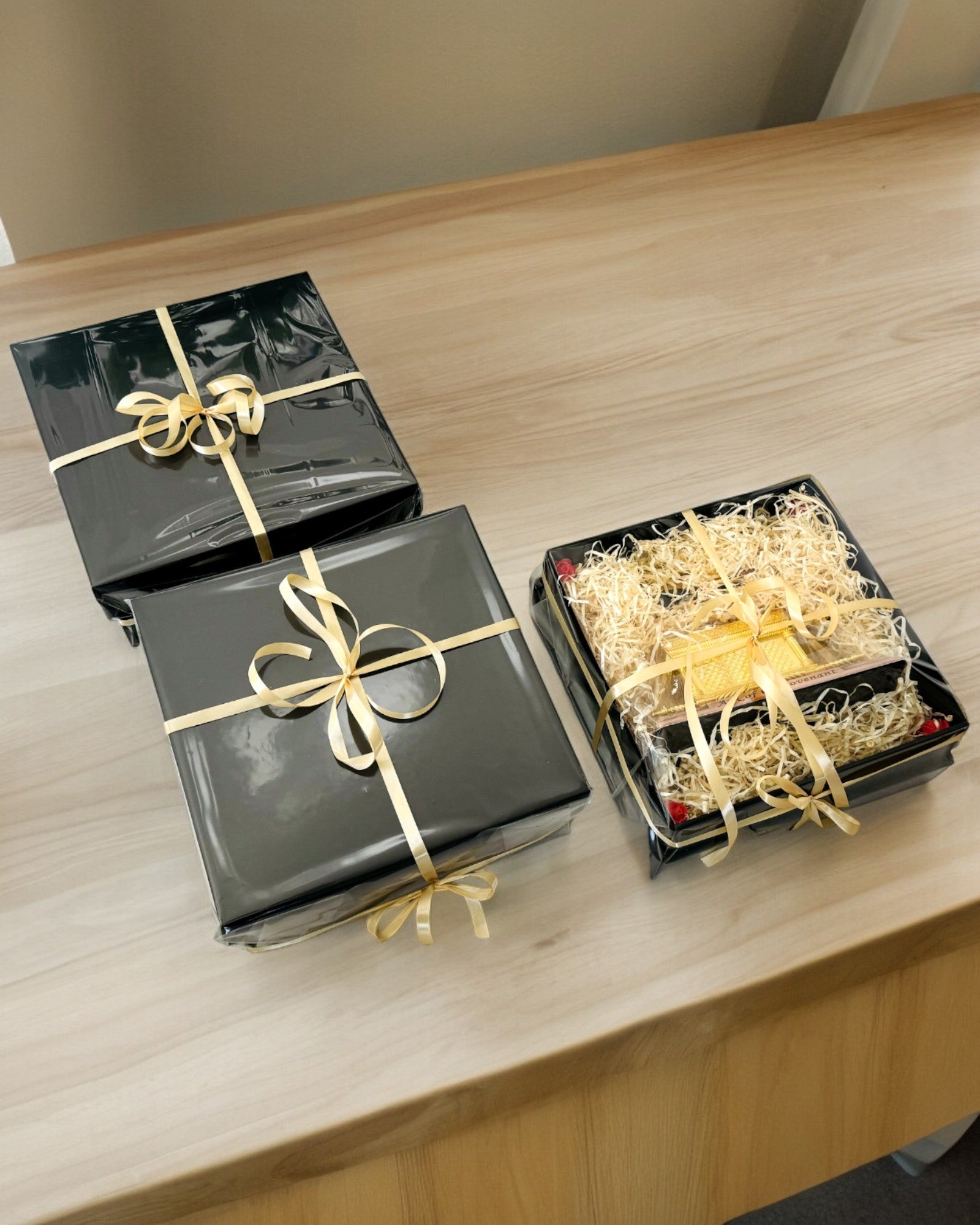
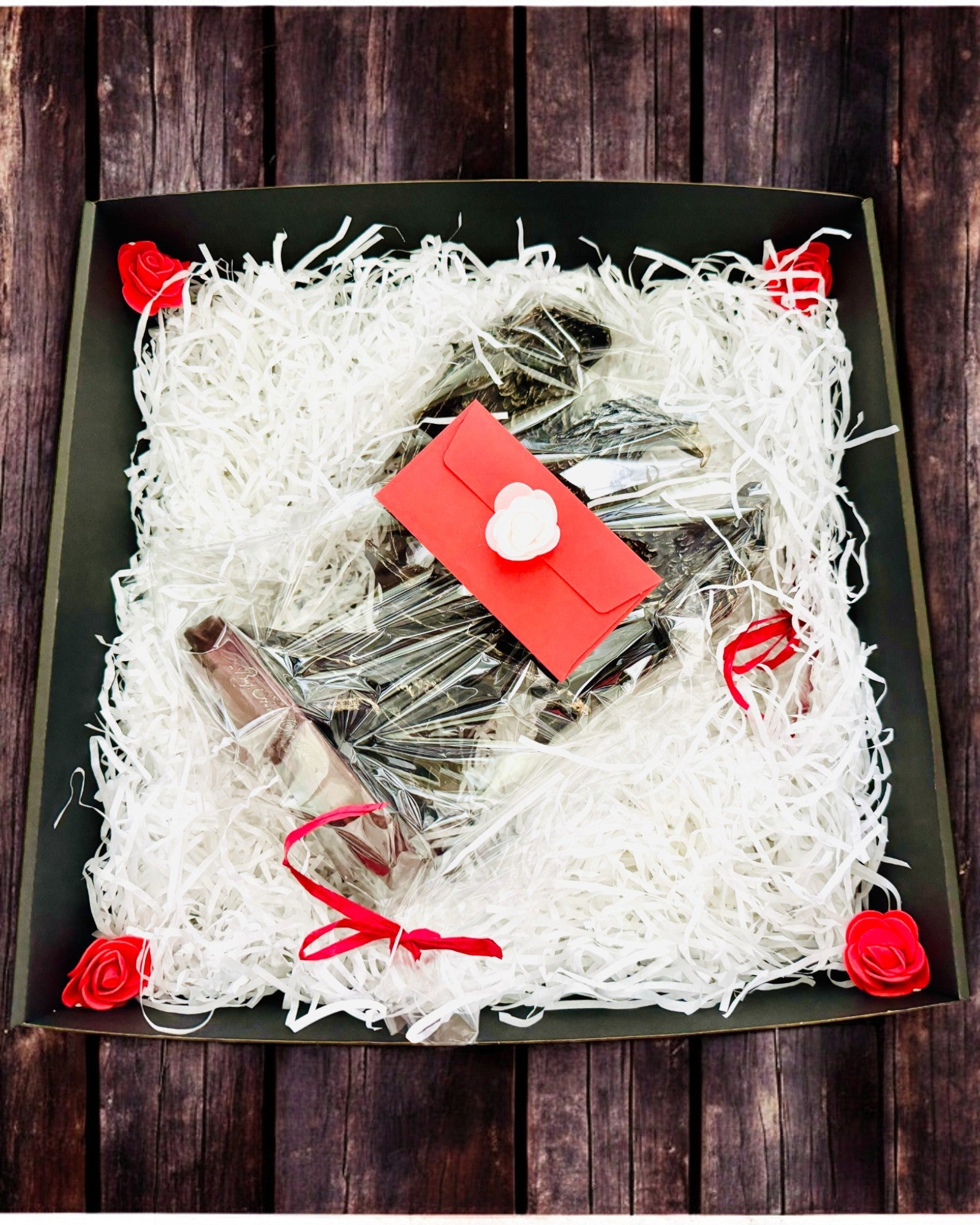
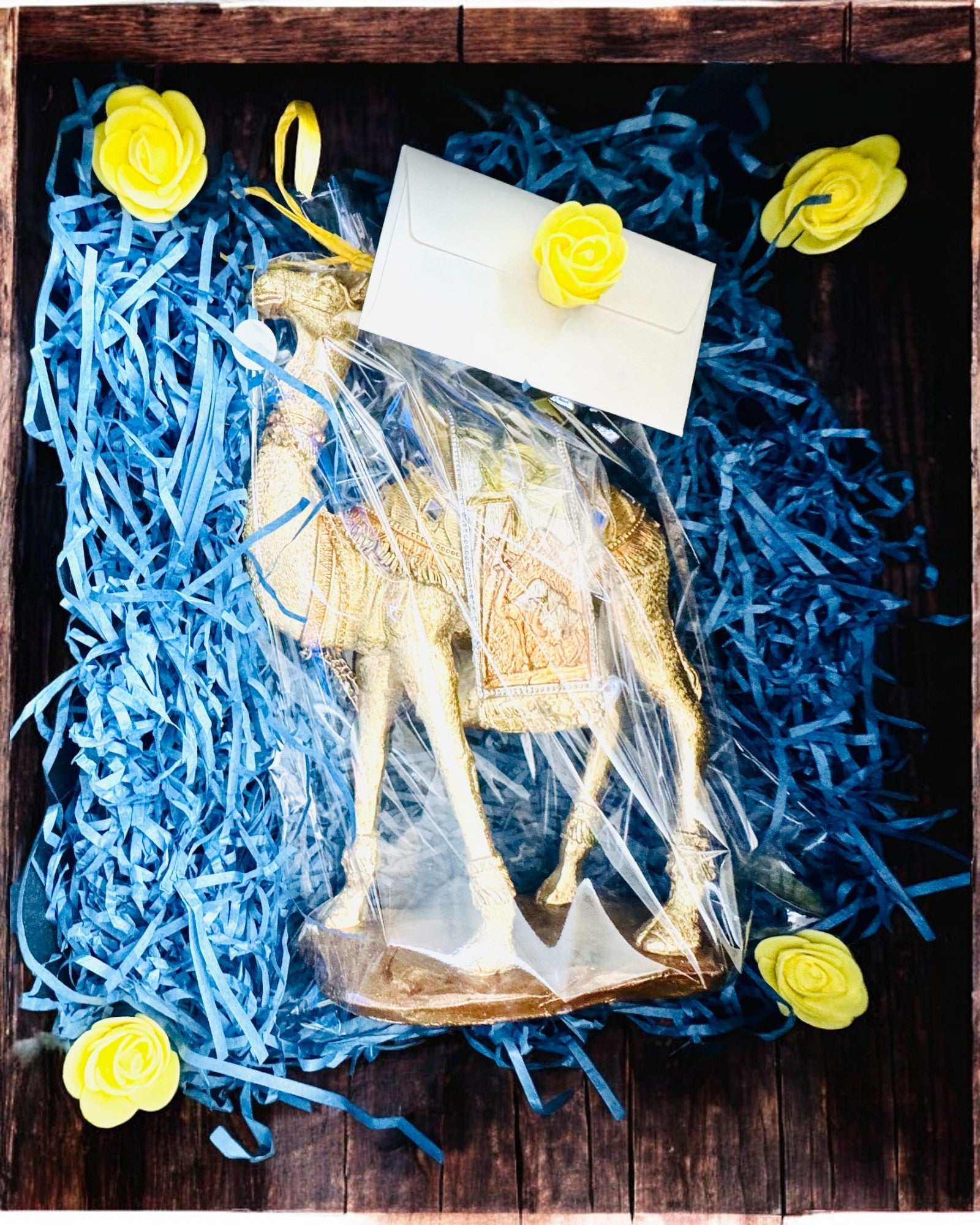
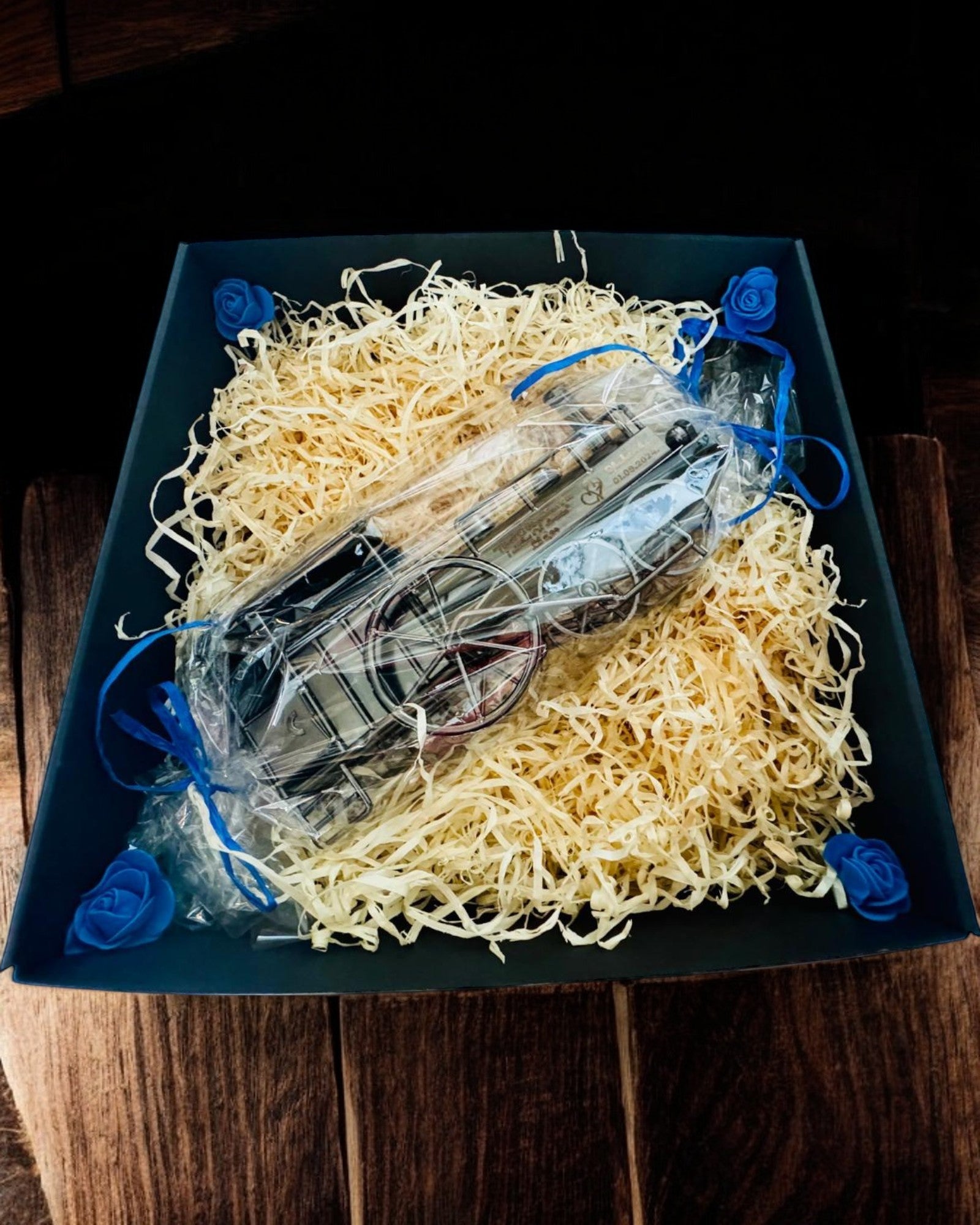
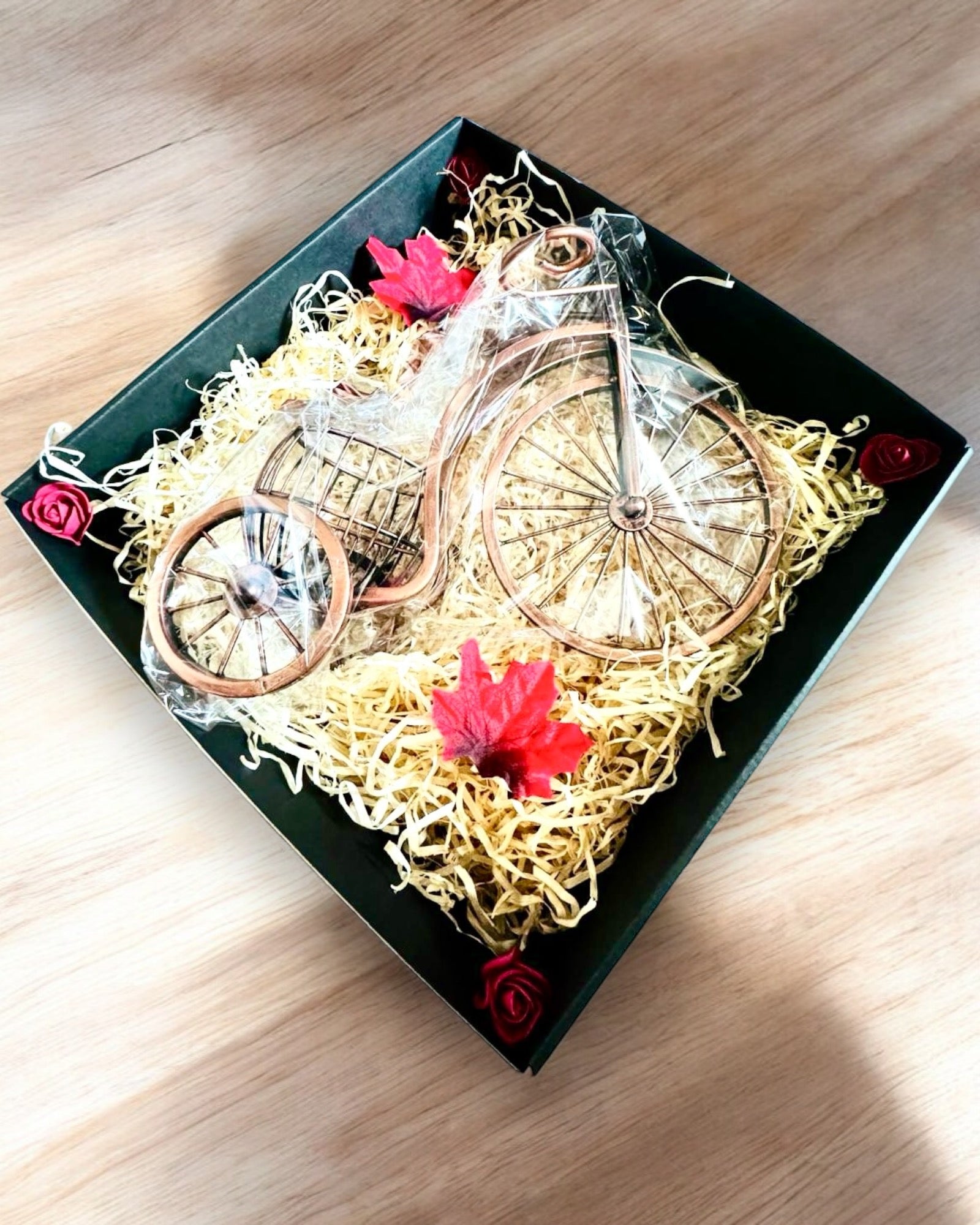
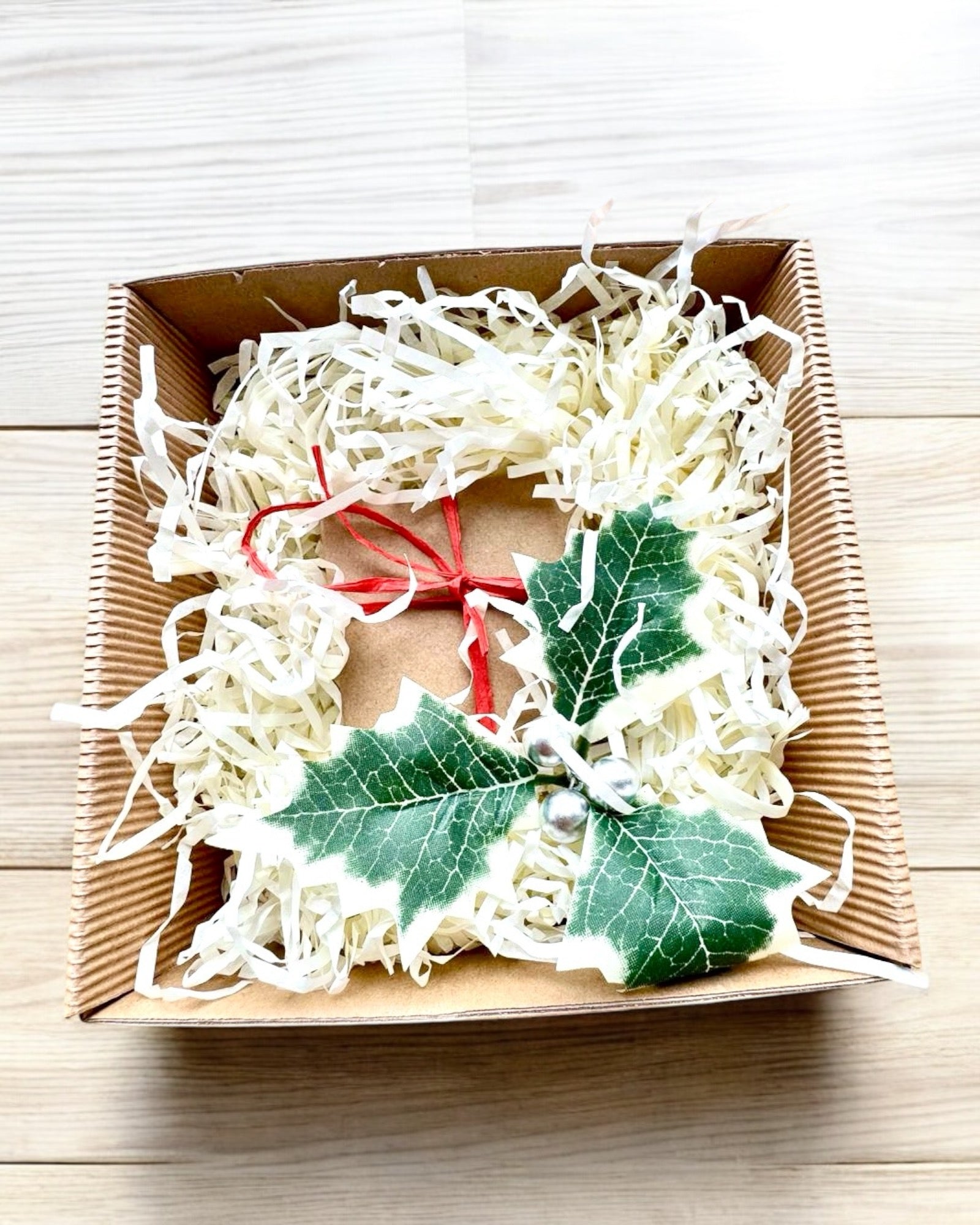
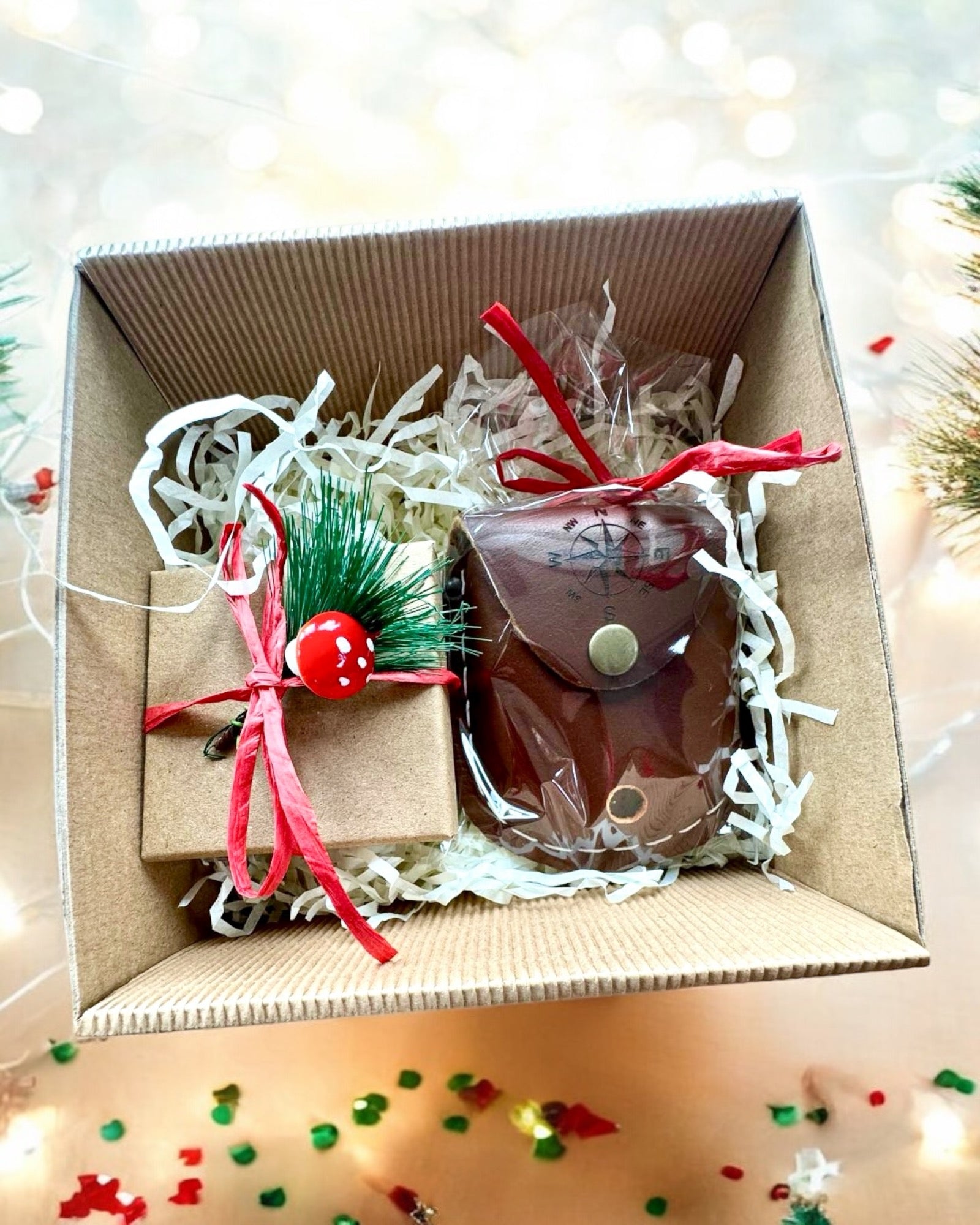
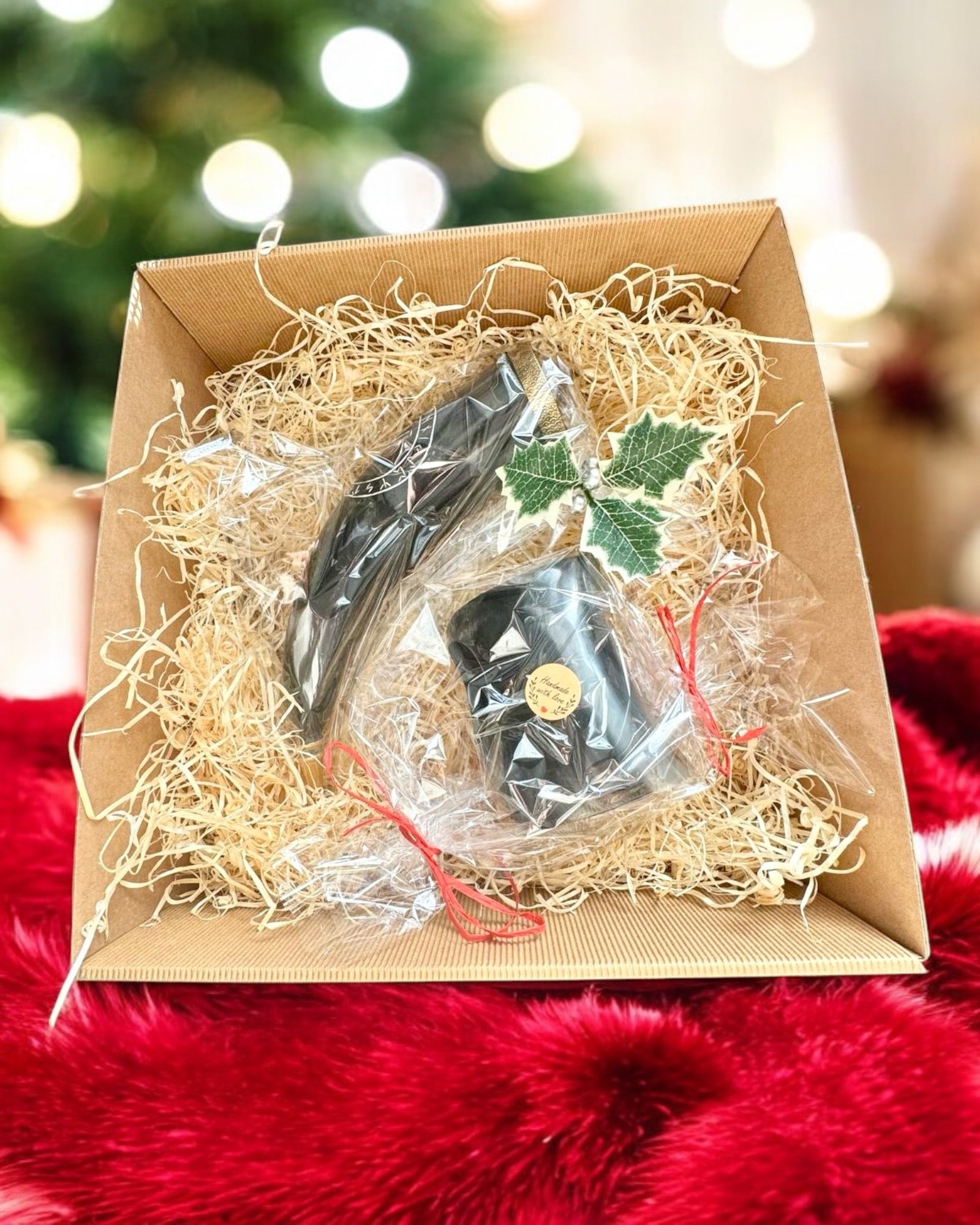
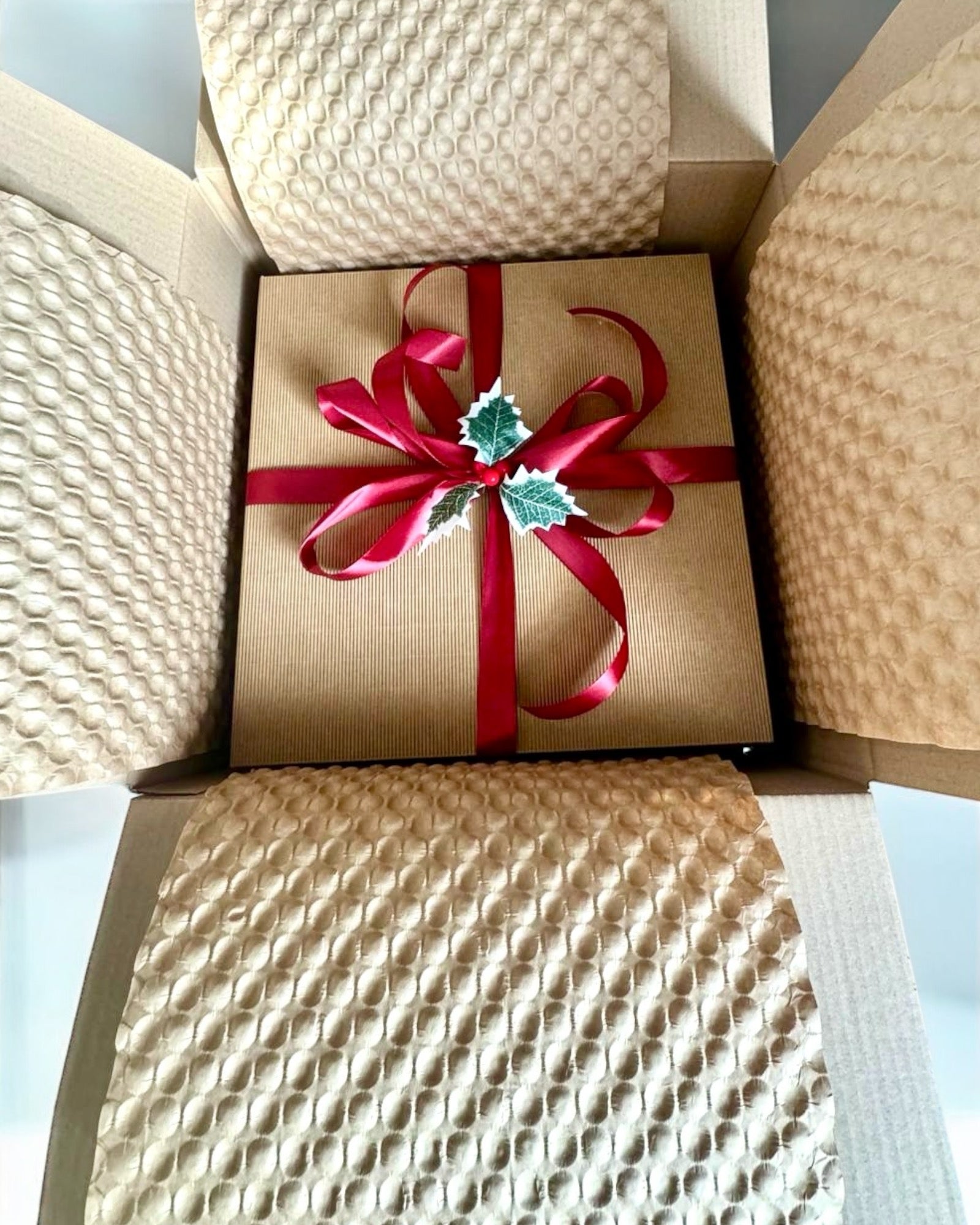
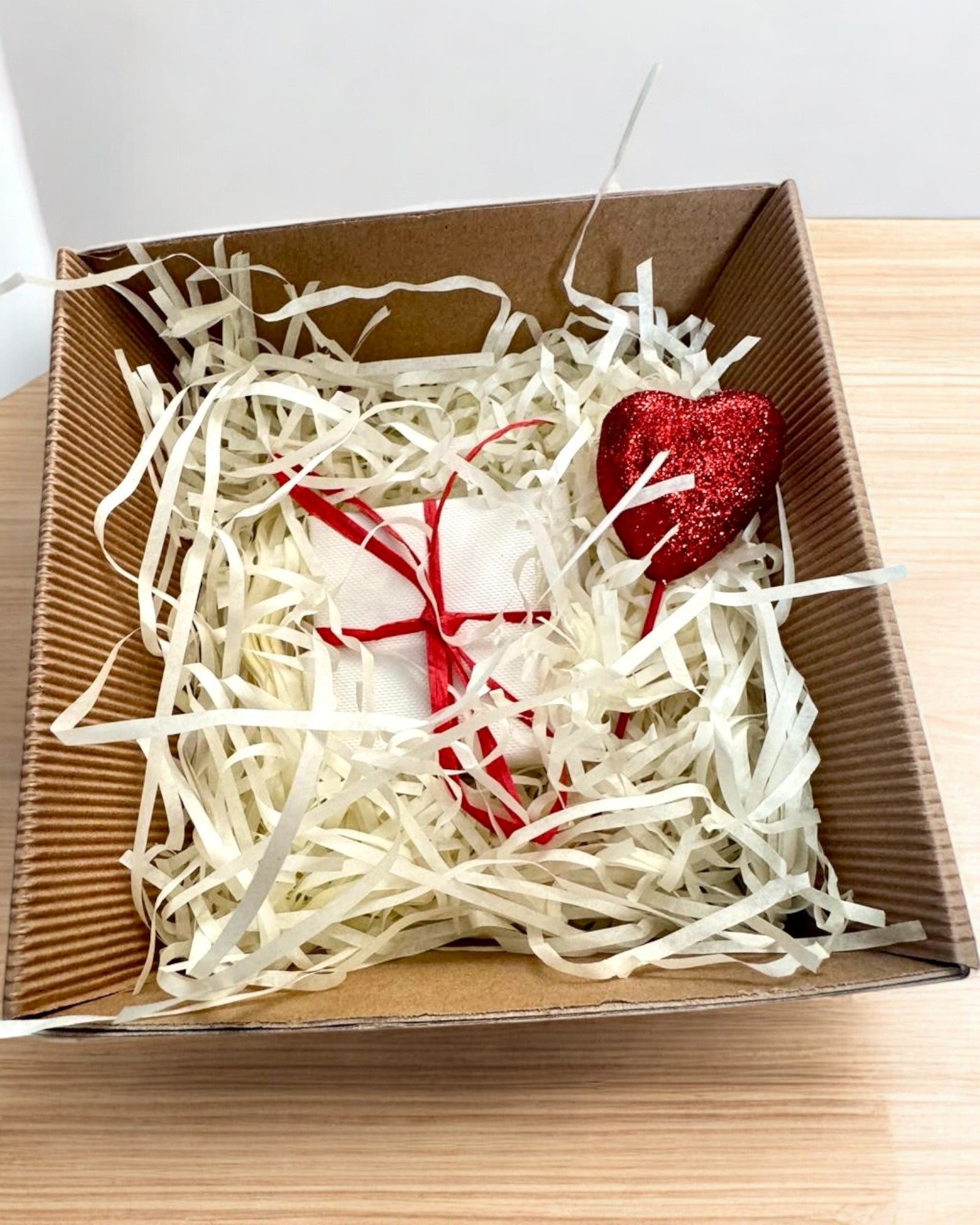
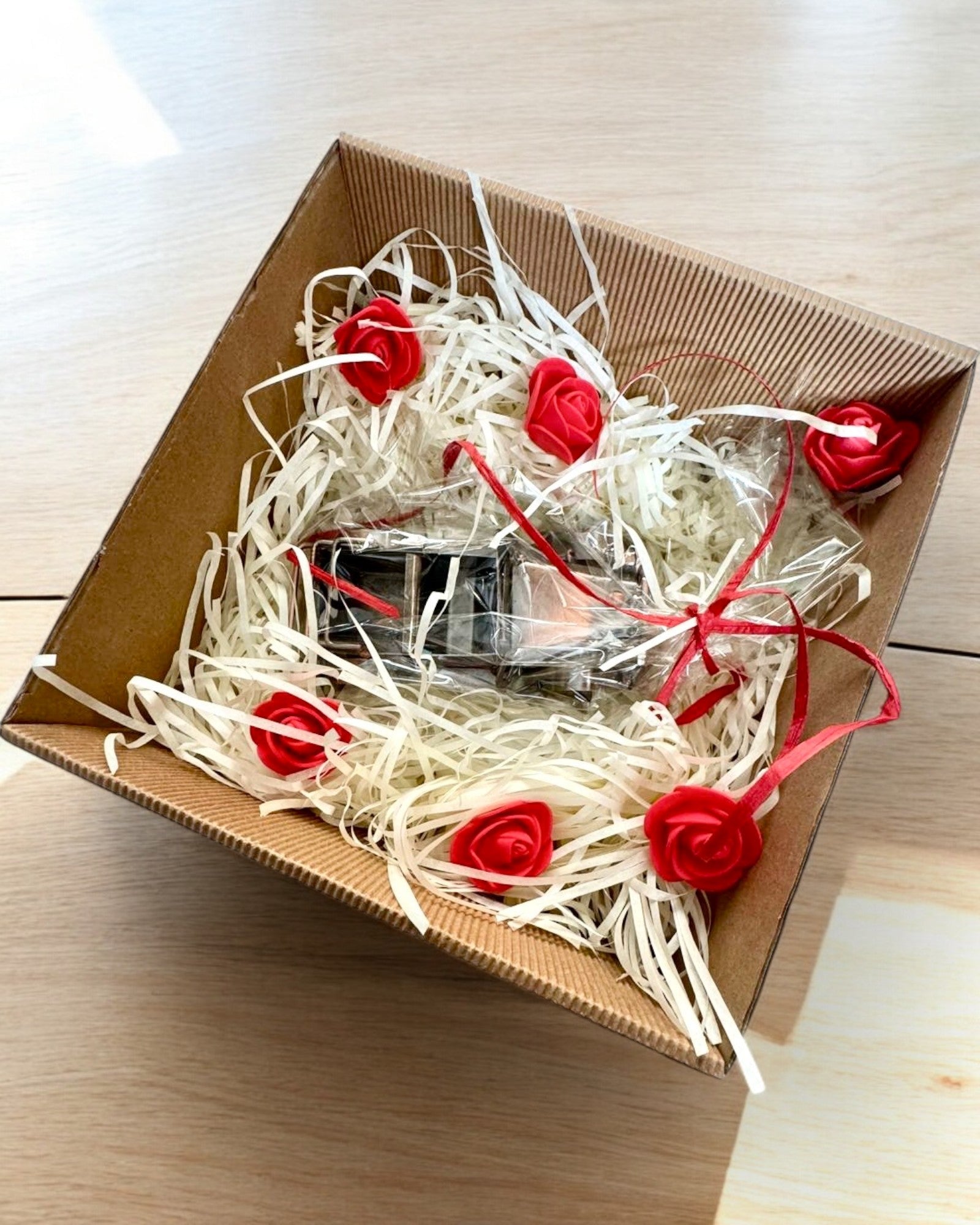
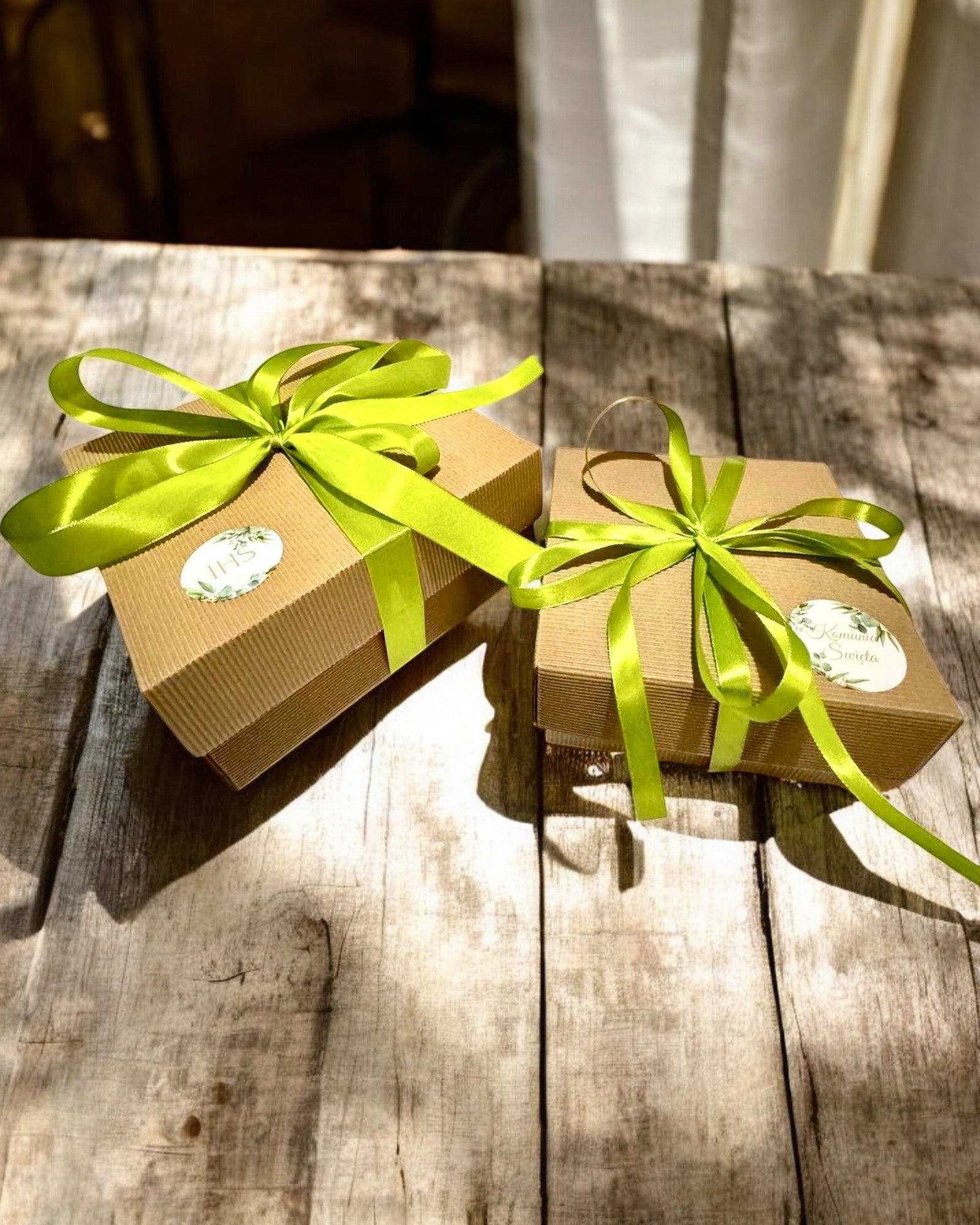
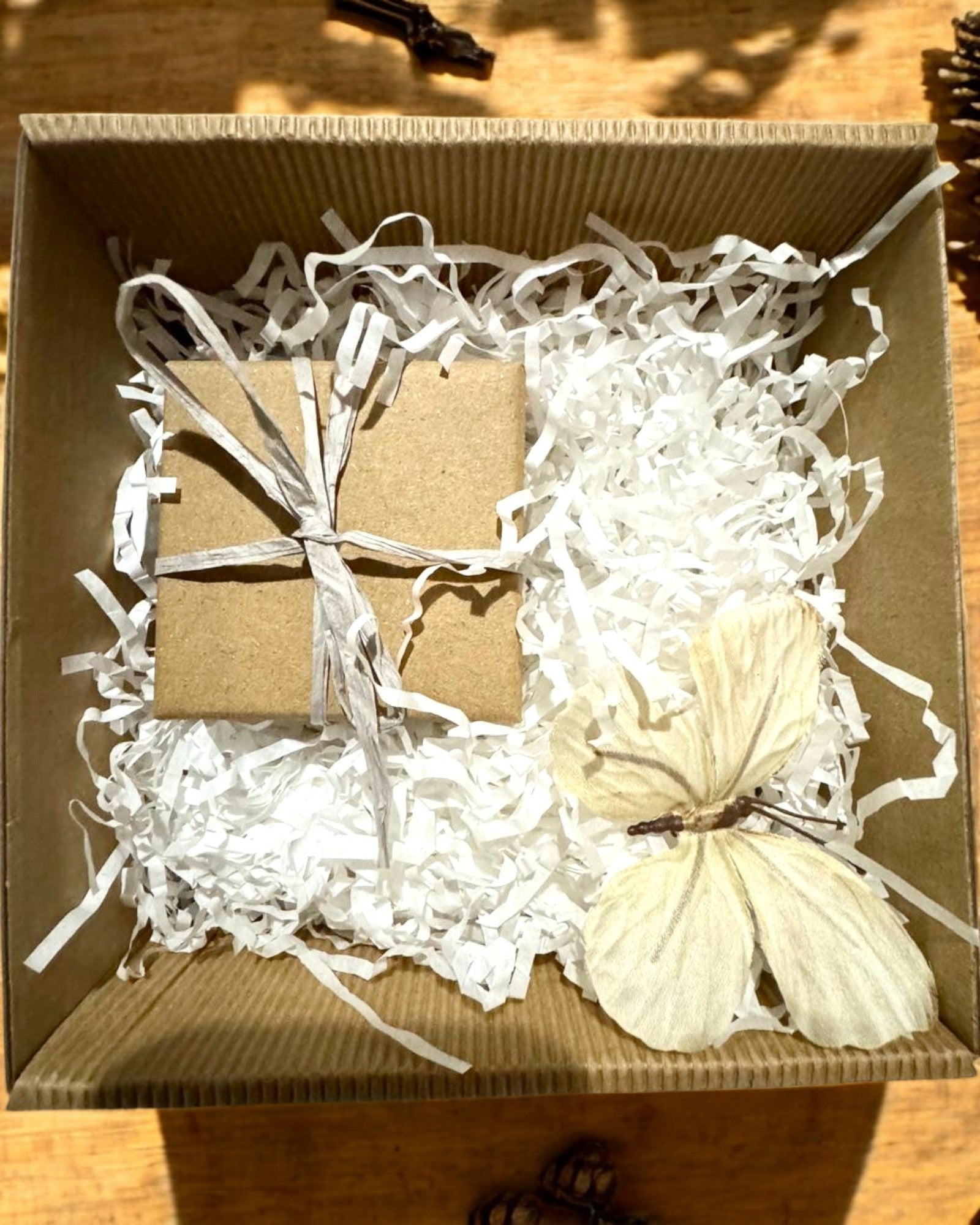
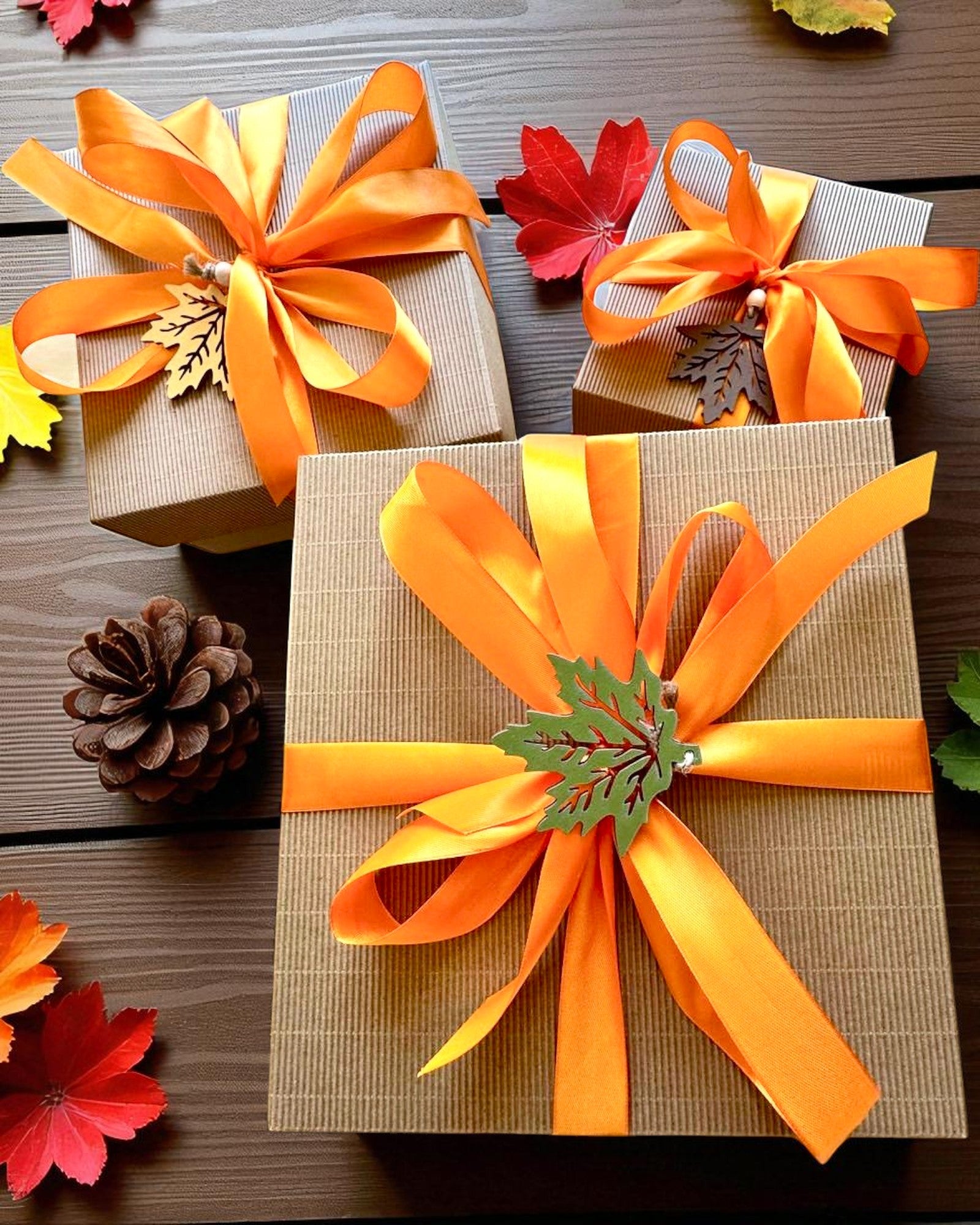
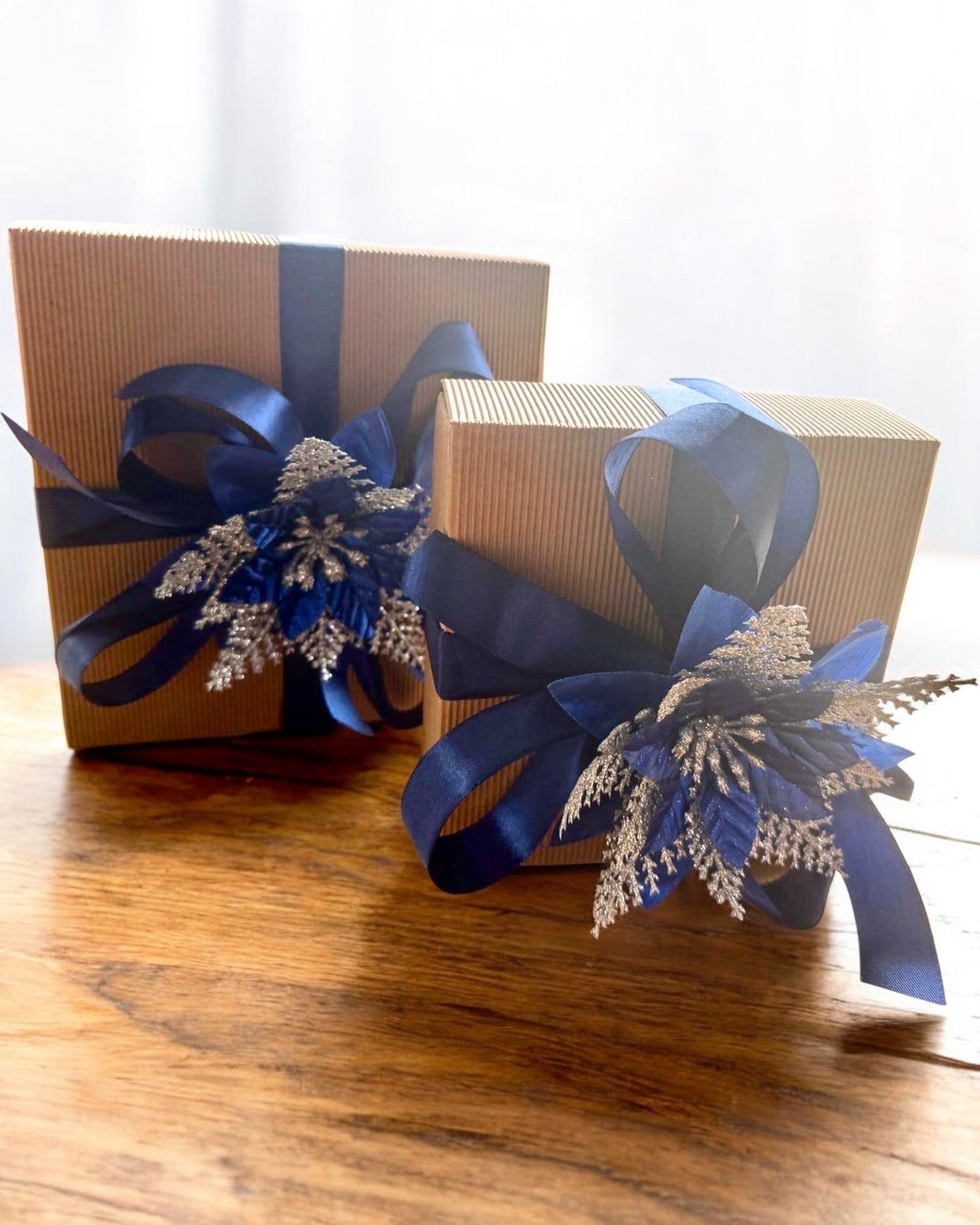
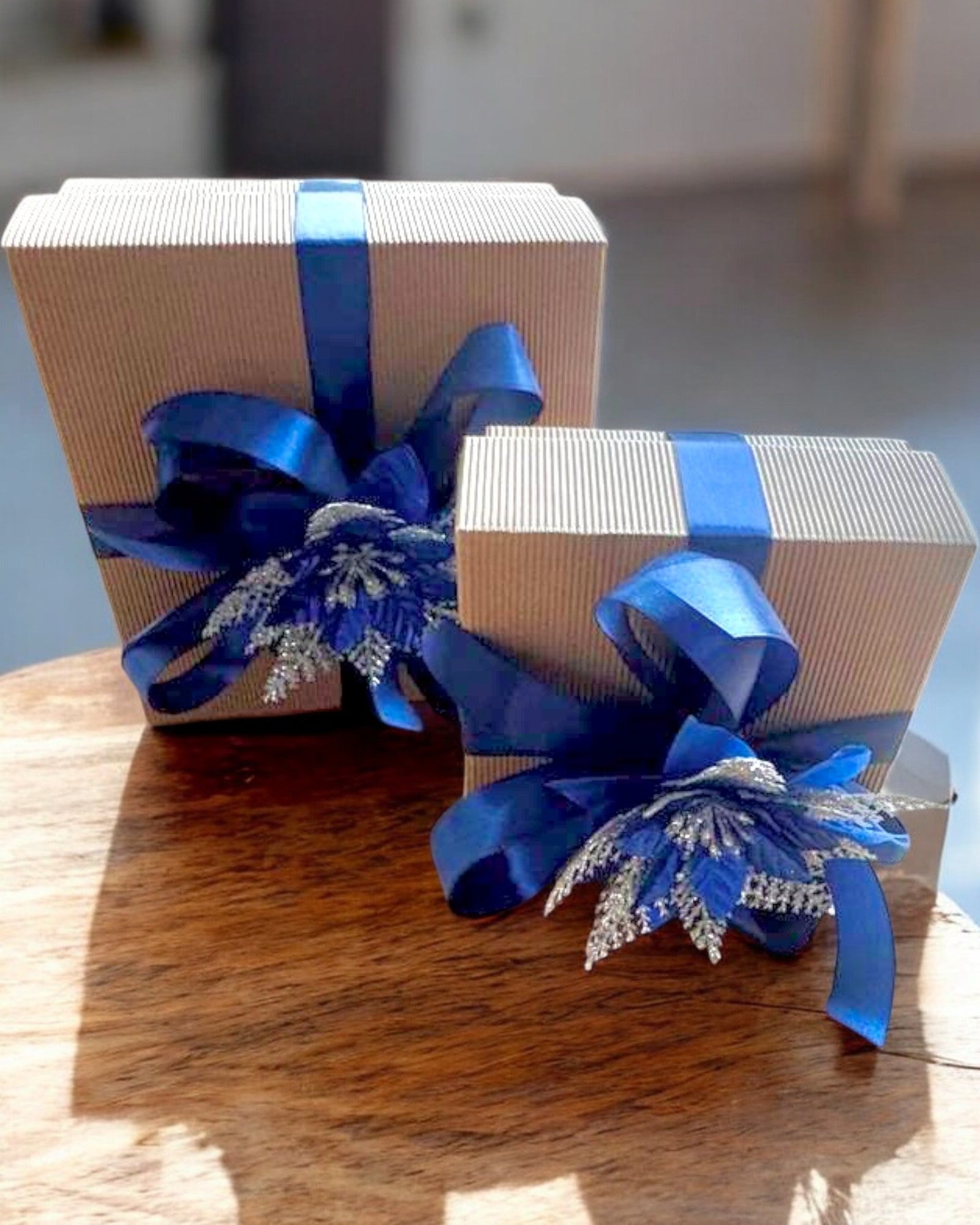
Add a gift box to your order. The product is packed in hay - colors and any additional items are selected depending on the gift and occasion.

Free Engraving Personalization
Make your gift truly unique – with FREE engraving!
Use our visualisation tool or write your wishes by hand on a card, send us a photo and we’ll engrave it faithfully.
You can also simply add instructions and your desired text in the order notes – we’ll customise everything for the best possible engraving result.